
Table of contents
- Design Engineering at KSK: A Holistic Approach to Engineering
-
How does design engineering
influence product development?
- What role do customer requirements play in the design process?
- How are design engineering methods used in development?
- Which tools enable more efficient product evaluation?
Design Engineering at KSK: A Holistic Approach to Engineering
Design engineering is an interdisciplinary approach that enables engineers to develop innovative solutions and overcome complex challenges in product development. This field combines technical and creative skills to design products that are both functional and aesthetically appealing. The application of design engineering opens up new avenues for increasing the efficiency and effectiveness of projects, whether in the field of metal construction or in the steel industry.
How does design engineering influence product development?
What role do customer requirements play in the design process?
In product development, customer requirements are at the heart of the design engineering process. Engineers must carefully analyze the needs and expectations customers have for a new product. These requirements guide the design process and influence every decision made. A deep understanding of customer requirements enables designers to develop products that not only meet functional expectations but also offer added value. This requires close collaboration between designers and customers to ensure that the final solution meets expectations and achieves high satisfaction.
How are design engineering methods used in development?
Design engineering methods are crucial for structuring and improving product development. These methods encompass a variety of tools and techniques that make development more efficient. A typical approach is the use of CAD software, which allows for the creation and analysis of complex models. These digital tools help engineers design innovative solutions and optimize product evaluation. Through the iterative application of these methods, errors can be identified and corrected early on, significantly improving the overall quality of the product.
Which tools enable more efficient product evaluation?
To make product evaluation more efficient, various tools are used in design engineering. Digital simulation programs and prototyping tools make it possible to test a product’s functionality and performance in a virtual environment before it is actually manufactured. These tools help identify potential weaknesses and make corrections before costly errors occur in physical production. Furthermore, they enable faster adaptation to new requirements, thereby increasing flexibility in the development process.
Your contact

Olaf
Huscher, B.S. in Engineering
Partner and Managing Director
+49
(0) 2364 10539-0
huscher@kskgruppe.de
Analysis and Advice

Wärmemengenmessung
Commissioning of Plants

Safety Engineering

Project Management
Technical Documentation
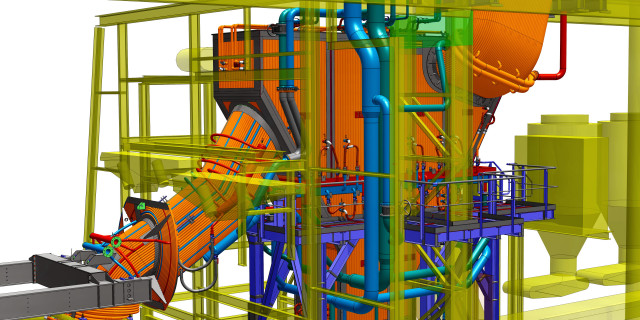
Conceptual Engineering
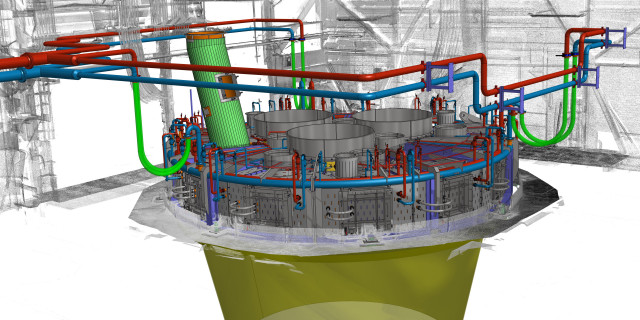
Engineering Office

3D Measurement
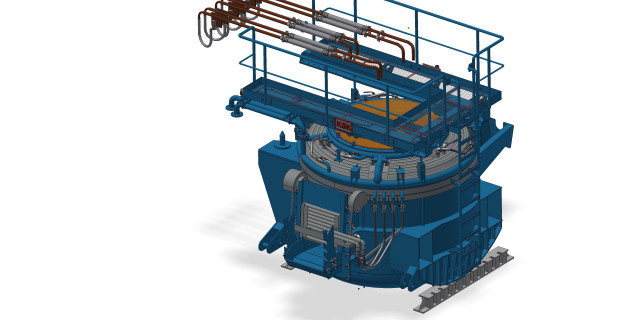
Reverse Engineering
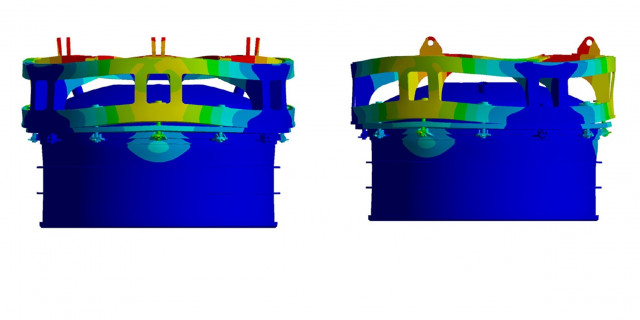
FEM Simulation
CFD Simulation

Structural Steel Statics
Table of contents
-
What information is critical in the design engineering
process?
- How is relevant information collected and utilized in the design process?
- How does information management contribute to innovation capability?
What information is critical in the design engineering process?
How is relevant information collected and utilized in the design process?
The collection and use of relevant information is a central component of the design engineering process. At the start of a project, engineers gather data on technological developments and customer feedback to gain a comprehensive understanding of the necessary design requirements. This information is systematically analyzed to gain insights into potential challenges and opportunities. By utilizing information management systems, engineers can efficiently manage and leverage this data to make informed decisions and enhance innovation capabilities.
How does information management contribute to innovation capability?
Effective information management is a key factor in innovation capability in design engineering. By systematically collecting, storing, and analyzing information, companies can identify needs early on and respond to them. This enables the development of new products that meet market requirements while offering innovative solutions. Well-organized information management lays the foundation for continuous improvement and adaptation of development processes, which ultimately strengthens a company’s competitiveness.
What is the significance of sustainability in the field of design engineering?
How do engineers integrate sustainable solutions into their projects?
Sustainability has become a central aspect of design engineering. Engineers are challenged to integrate environmentally friendly materials and energy-efficient technologies into their projects. By applying sustainable design principles, they can develop products that minimize the ecological footprint while maximizing lifespan and efficiency. This requires a holistic view of the entire product lifecycle, from raw material selection to disposal. Such integrative approaches not only promote environmental sustainability but also enhance market acceptance of the products.
What challenges exist in sustainable product development?
Implementing sustainable solutions in product development presents numerous challenges. One of the biggest challenges is striking a balance between environmental requirements and economic viability. Sustainable materials are often more expensive or more difficult to process, which can increase development costs and effort. Furthermore, integrating sustainable practices requires a shift in thinking regarding established processes and structures, which can lead to resistance within the organization. Nevertheless, overcoming these challenges is essential for long-term success.
How does design engineering contribute to reducing environmental impact?
Design engineering plays a crucial role in reducing environmental impact. By applying principles such as eco-design and the circular economy, engineers can develop products that conserve resources and produce less waste. The use of recyclable materials and the optimization of production processes help reduce energy consumption and promote sustainability. These approaches are not only environmentally friendly but can also lead to cost savings and an improvement in brand perception.
What role does KSK GmbH play in the design engineering landscape?
How does KSK GmbH contribute to innovative solutions in Haltern am See?
KSK GmbH has established itself as a leading company in the field of design engineering, particularly in Haltern am See. Through the development and implementation of innovative solutions, the company makes a significant contribution to technical advancement in the region. KSK GmbH relies on a combination of experience and state-of-the-art technology to offer tailor-made solutions that meet the specific requirements of its customers. This innovative strength not only strengthens the local market but also solidifies KSK GmbH’s position in the European competitive landscape.
What projects has KSK GmbH implemented in the field of water-cooled plant systems?
KSK GmbH has successfully implemented numerous projects in the field of water-cooled plant systems. These systems are crucial for the efficiency of industrial processes, as they contribute to temperature control and energy savings. KSK GmbH develops customized solutions that meet the specific requirements of customers while also complying with high environmental standards. By utilizing advanced technologies and innovative approaches, KSK GmbH is able to continuously improve the performance and reliability of these systems.
How does KSK GmbH support metal fabricators and the steel industry?
KSK GmbH plays a significant role in supporting the steel and recycling industries. By providing specialized design engineering services and technological solutions, the company helps to increase efficiency and product quality in these sectors. KSK GmbH offers comprehensive consulting and customized solutions that meet the specific requirements of the metal fabrication industry. This support helps increase the competitiveness of companies in this sector and strengthens their capacity for innovation.
Table of contents
- Q: What is concept engineering and how can it be used in industry?
- Q: How can further training in the field of concept engineering be promoted?
- Q: How can I join KSK Analyse Planung Design if I am new to the industry?
- Q: What qualities are important for a career in concept engineering?
- Q: Are there any health aspects that should be considered in concept engineering?
Q: What is concept engineering and how can it be used in industry?
A: Concept engineering, in particular by companies such as KSK Analyse Planung Design, is an approach to developing ideas and creating new things. It is often used in mechanical engineering and in the design and product development. Concept engineering, in particular by companies such as KSK Analyse Planung Design. This approach makes it possible to systematically analyze complex requirements and design innovative solutions. Various methods and tools are used to optimize the development process and increase efficiency.
A central aspect of concept engineering is the close collaboration between different departments. Interdisciplinary teams work together to implement ideas, with creativity and technical expertise going hand in hand. This leads to a holistic view of the projects and makes it possible to consider challenges from different perspectives.
In addition, advanced technologies play a crucial role in concept engineering. The use of 3D modeling, simulations and prototyping tools makes it possible to quickly visualize and test concepts. This shortens development times and reduces the risk of misguided developments.
Another advantage of concept engineering is the ability to respond to customer and market requirements at an early stage. Iterative development processes allow products to be continuously improved and adapted to changing conditions. This increases competitiveness and promotes the innovative strength of companies.
Overall, concept engineering is an essential building block for the successful development of products and solutions. Companies like KSK Analyse Planung Design benefit from this approach by making their development processes more efficient and increasing their innovative strength.
Q: How can further training in the field of concept engineering be promoted?
A: Further training in concept engineering can be promoted by attending courses that prepare students precisely for industrial requirements. Such a course enables students to enter the industrial sector and specialize in topics such as statics and construction. In addition, these courses often also cover modern technologies and software tools that are of great importance in the industry. Participants have the opportunity to gain practical experience and apply their skills in realistic projects. In addition to the technical aspects, emphasis is also placed on developing soft skills, such as teamwork, communication and problem-solving abilities.
Successful completion of a concept engineering training program opens up a wide range of career opportunities for graduates. They can take on responsible positions in various industries, such as mechanical engineering, automotive or plant construction. Employers value the practical training and specialized knowledge that participants bring with them.
In addition, many of these training programs offer networking opportunities that enable participants to establish valuable contacts in the industry. These networks can prove useful later on, whether for sharing expertise or career opportunities.
Overall, continuing education in the field of concept engineering is a worthwhile investment in one's professional future. It not only provides a solid foundation in important engineering disciplines, but also promotes the personal and professional development of participants.
Q: How can I join KSK Analyse Planung Design if I am new to the industry?
A: If you are new to the industry, you can improve your chances of joining KSK Analyse Planung Design by taking targeted training and pursuing an M.Sc. degree in related fields. A Master of Science (M.Sc.) can not only provide you with deeper technical knowledge, but also strengthen your critical thinking and problem-solving skills. At KSK Analyse Planung Design, emphasis is placed on innovative approaches and in-depth expertise, so such a degree can significantly enhance your application documents.
In addition to academic qualifications, it is important to gain practical experience in the industry. Internships, working student positions or project work offer you the opportunity to gain valuable insights into the workings and specific requirements at KSK Analyse Planung Design. Network with industry professionals and attend relevant events and conferences to expand your contacts and find potential mentors.
In addition, you should familiarize yourself with the latest developments and technologies in your field. Participating in workshops, online courses, and webinars can help you stay up to date and continuously expand your knowledge.
Finally, it is important to develop your soft skills. Teamwork, communication, and adaptability are crucial skills in the modern workplace. By participating in group projects or volunteer activities, you can strengthen these skills and thus be better prepared for the challenges that you might face at KSK GmbH.
Q: What qualities are important for a career in concept engineering?
A: A career in concept engineering requires you to be conscientious, adhere to given dimensions with millimeter precision, and have a passion for creating new things and developing ideas. A career in concept engineering requires you to be conscientious, adhere to given dimensions with millimeter precision, and have a passion for creating new things and developing ideas. You must be able to find innovative solutions to complex technical problems and communicate your ideas effectively. Teamwork plays a crucial role, as you will often need to work with other engineers, designers and specialists from different disciplines to successfully complete projects.
A strong understanding of technical specifications and the ability to create and interpret technical drawings and models are also essential. Working with cutting-edge software and technologies, such as CAD programs and rapid prototyping tools, is often part of the daily workflow.
Alongside technical skills, creativity is an important aspect. You should be able to think outside the box and take unconventional approaches to develop innovative products and solutions. A good eye for aesthetics can also be an advantage, especially if you work in areas that require a combination of functionality and design.
A career in concept engineering offers the opportunity to work on exciting projects and make a significant contribution to the development of new products and technologies. Continuous learning and adapting to new trends and technologies are crucial to succeed in this dynamic field.
Q: Are there any health aspects that should be considered in concept engineering?
A: Yes, as in any industrial environment, it is important to pay attention to health and safety to ensure a safe working environment. Regular training and safety briefings are crucial to ensure that all employees are aware of potential hazards and the necessary safety measures. In addition, all machinery and equipment should be regularly maintained and inspected to prevent possible technical defects that could lead to accidents.
Implementing a comprehensive health and safety program that also incorporates attention to ergonomic factors can also help reduce work-related injuries or illnesses. It is important that managers and employees work together to foster a culture of safety in which reporting safety concerns is encouraged and respected.
Other measures include providing appropriate protective equipment, clearly labeling hazardous areas, and complying with all relevant legal requirements and standards. By creating a strong awareness of occupational safety, the risk of accidents can be minimized and the well-being of employees promoted.
