
Table of contents
What can KSK System Kühl Technik do for you in the field of melting and recycling processes?
Melting and recycling processes in energy-intensive heavy industry take place under harsh conditions and at very high temperatures. To increase the durability and stability of plants and units, these are often designed as water-cooled systems. KSK System Kühl Technik has been developing, manufacturing and installing water-cooled melting and recycling units for more than 40 years.
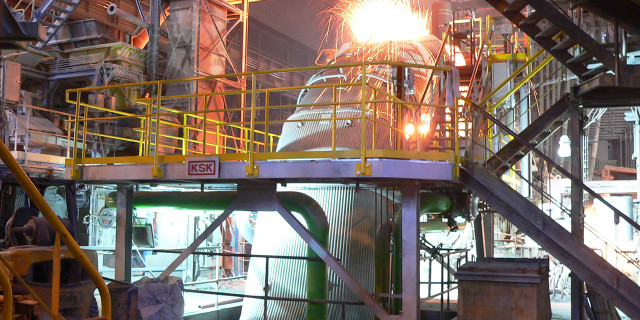
KSK melting furnaces.
In the production of steel and non-ferrous metals, or in the recycling of a wide variety of raw and secondary materials, various melting processes and, consequently, various melting units are used:
- Electric arc furnace
- Blast furnace with converter
- Bath melting furnace
- Submerged arc furnace
- Ladle furnace
- Vacuum furnace
- Rotary kiln
- and many more
As specialists in cooling technology, we develop all KSK melting units with a specific focus. Our designs consistently meet our six quality criteria and are clear, functional, innovative, precisely tailored, easy to maintain and cost-effective.
Your contacts
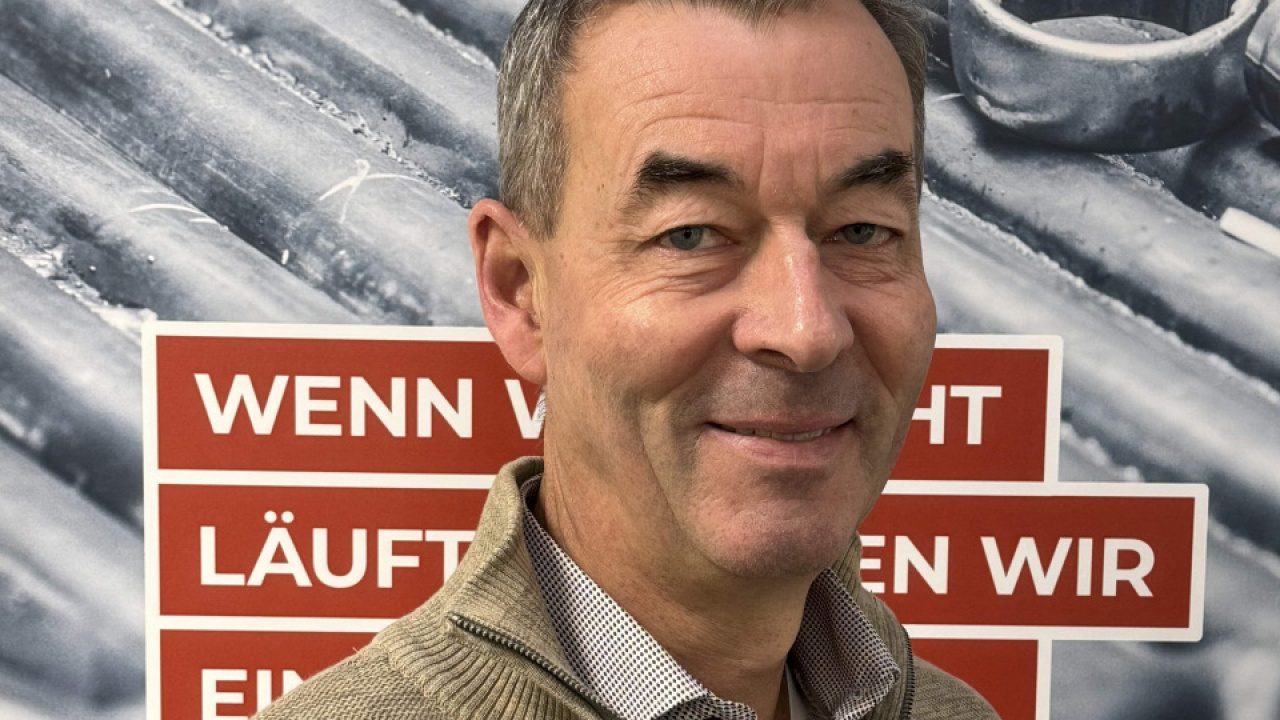
Olaf Huscher, M.Eng.
Partner and Managing Director
+49 (0) 2364 10539-0
huscher@kskgruppe.de
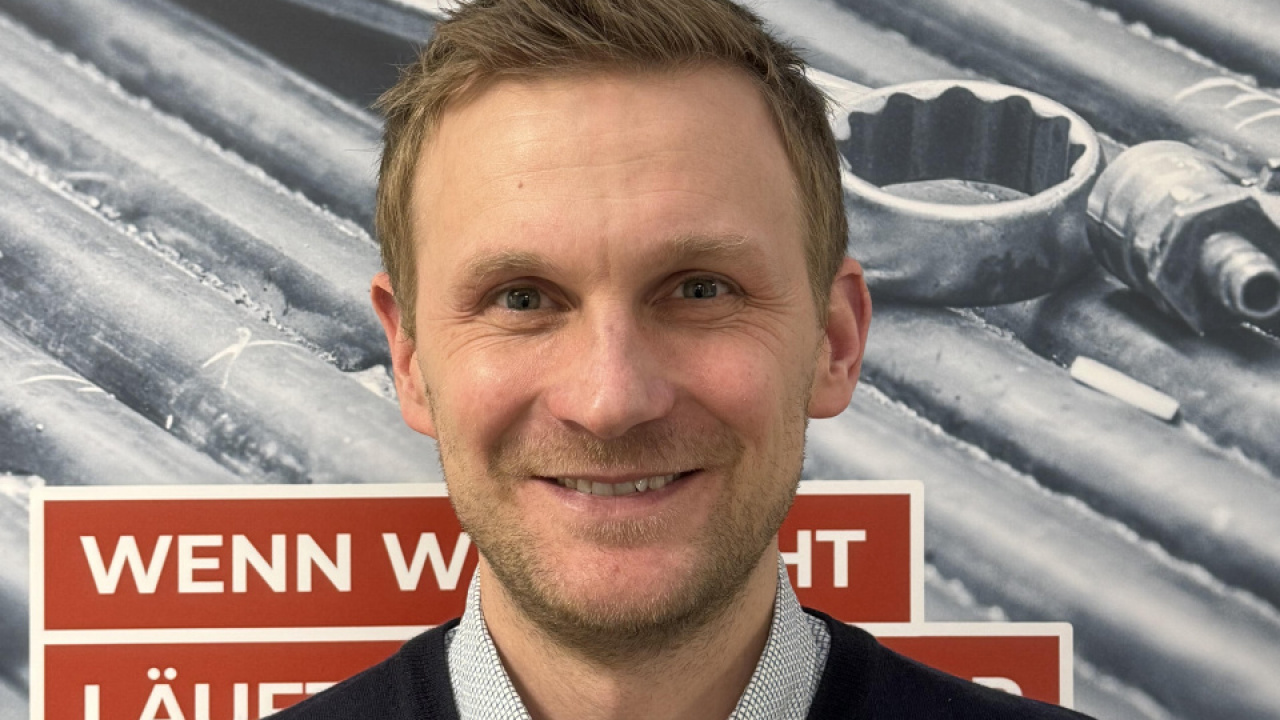
Andreas Höwedes, MSc (Eng)
Partner and Managing Director
+49 (0) 2364 10539-0
hoewedes@kskgruppe.de
The six KSK quality criteria in the smelting and recycling processes.
Clear
To ensure you don’t lose track of things even in critical situations and always know which flap seals off which cooled area, we always design all melting units to be as clear and simple as possible. And even if it’s just a routine check: everything is so much more relaxed when the hose routing is as clear as it is on this electric arc furnace.
Functional
Does the lid slider on your ladle furnace lid always get stuck in the guide, or is the flap door on the ladle furnace lid of the neighbouring stand jammed and no longer lifts? Of course, this can also happen with our water-cooled flap-sliders (with flap and slide function) – but most likely not nearly as often. The functionality of our designs is based on 40 years of experience with electric steel processes and a passion for detail – and not just when it comes to ladle furnace lids.
Innovative
Want to know what that is? No, not the immersion sleeves for the temperature sensors. Those odd-looking fittings with screw caps underneath. Exactly! No idea what they’re for? Feel free to give us a call, and we’ll tell you. Even though electric arc furnaces and ladle furnace lids aren’t new, we regularly develop innovative solutions in the field of electric steelmaking processes that make your equipment better and your day-to-day operations more worry-free.
Precision fit
Nothing we produce is off-the-shelf. A ladle furnace lid has an order number, not a type designation. We never develop our custom-fit solutions alone, but always as a team – together with you. And if necessary, we’ll take the time to go the extra mile in the coordination process. After all, what matters in the end is not that you have to bend to suit our technical solution, but that our bent tubes can offer you new technical possibilities. And even if it’s just the colour scheme: we’re happy to design according to your wishes!
Maintenance-friendly
Do you work in maintenance? Then you’ve come to the right place! You are the driving force behind our work. And at the same time, our greatest support. We have been developing solutions for and with maintenance teams for almost 40 years. Only those who are close to the day-to-day challenges of working with ladle furnace lids or other melting units in the electric steelmaking process can find solutions to make precisely this work easier. Otherwise, we would certainly never have thought of developing a self-cleaning system for ladle furnace lids.
Cost-effective
At the end of the day, every investment should be worthwhile. Of course! When planning our systems, we therefore always keep productivity, energy efficiency, service life, material costs, spare part availability and costs, and many other aspects relating to electric arc furnaces, ladle furnace lids and the like in mind, and weigh them up against one another. After all, we want to work with you in the long term!
Waste heat recovery
Industrial cooling
Table of contents
- Metal recycling process: Focus on sustainability and efficiency
-
Introduction to the recycling process
- What is the recycling process?
- The importance of metal recycling
- Overview of the steps in the recycling process
Metal recycling process: Focus on sustainability and efficiency
The metal recycling process is an essential component of a modern, sustainable economy. It enables us to conserve valuable resources, save energy and reduce environmental impact. This article provides a comprehensive overview of the metal recycling process, its significance and the individual steps involved, including the breakdown into secondary raw materials.
Introduction to the recycling process
What is the recycling process?
The recycling process is a systematic process in which waste materials are collected, processed and returned to the economic cycle. In the context of metal, this means that scrap metal, waste metal and metal-containing products are processed in such a way that they can be used as secondary raw materials in the metalworking industry. This cycle bridges the gap between disposal and manufacturing by utilising the valuable properties of metals to produce new products without relying on the extraction of primary metals. The entire recycling process is crucial to the sustainability of the metalworking industry and is constantly being improved through innovative technologies. Water-cooled plant systems, such as those offered by KSK GmbH, play an important role in making the smelting process efficient.
The importance of metal recycling
Metal recycling is of immense importance for the environment and the economy. It reduces the need to extract new raw materials, which is often associated with significant environmental damage. The extraction of primary metals requires a high energy input, whereas metal recycling consumes significantly less energy. For example, the aluminium recycling process requires only around 5% of the energy needed to produce primary aluminium. This not only helps to conserve resources but also reduces greenhouse gas emissions. Furthermore, metal recycling relieves pressure on landfill sites and contributes to resource conservation. KSK GmbH is also actively committed to promoting metal recycling to ensure the sustainable use of our resources.
Overview of the steps in the recycling process
The metal recycling process involves several key stages. First, scrap metal is collected; this can come from various sources, such as households (via the yellow bag or recycling centres), industry, or demolition companies. The various metals are then separated to ensure the high quality of the secondary raw material. This separation can be carried out manually or mechanically. The sorted metal is then cleaned and prepared for the smelting process. During the smelting process, the metal is melted down and processed into new products. This process can take place, for example, in an electric arc furnace (EAF). Modern cooling technology, such as that offered by KSK GmbH, plays a crucial role in this. The finished products can then be reused in various sectors, from packaging to the manufacture of stainless steel. The recycling process helps to recover valuable raw materials and create a sustainable cycle that protects the environment and conserves resources.
Sustainability and environmental protection
Environmental benefits of metal recycling
Metal recycling offers immense benefits for the environment. The recycling of metals reduces the need for the extraction of primary metals. The extraction of primary metals is often associated with significant environmental damage, including the destruction of habitats and the release of pollutants. The recycling process for steel, aluminium, copper and other metals saves significant amounts of energy. The manufacture of new products from recycled metal requires considerably less energy than production from ores. For example, the aluminium recycling process requires only around 5% of the energy needed to produce primary aluminium. This leads to a reduction in greenhouse gas emissions and thus contributes to climate protection. Recycling also reduces the burden on landfill sites, as less metal needs to be disposed of. KSK GmbH actively supports the development and implementation of innovative recycling technologies to further increase the efficiency of metal recycling.
Sustainable practices in the recycling process
Sustainable practices are of crucial importance in the recycling process to maximise the positive environmental impact. An important aspect is the efficient separation of the various metals to ensure a high quality of secondary raw materials. Modern technologies such as sorting using eddy current separators or X-ray transmission enable the precise separation of metals. Another sustainable aspect is the reduction of energy consumption in the smelting process. Here, for example, water-cooled plant systems, such as those offered by KSK GmbH, can make a significant contribution. These plant systems utilise the waste heat from the process to recover energy and reduce overall energy consumption. Minimising waste and reducing water consumption are also key aspects of sustainable recycling practices. By implementing sustainable practices in the recycling process, we can make the most of metals’ valuable properties and protect the environment.
Examples of successful recycling initiatives
There are numerous examples of successful recycling initiatives that demonstrate how the recycling process can be effectively organised. One example is the recycling of beverage cans. The introduction of deposit-return schemes has significantly increased the recycling rate of aluminium cans. Another example is the recycling of electronic waste. Here, valuable metals such as copper, gold and silver are recovered from old computers, mobile phones and other electronic devices. This initiative helps to recover valuable raw materials and reduce the environmental impact caused by the disposal of electronic waste. KSK GmbH is also involved in various recycling initiatives and supports companies in implementing efficient recycling processes. These initiatives enable large quantities of raw materials to be saved and help protect the environment. Overall, the recycling process is a key component of a sustainable economy that conserves resources and protects the environment. The recycling process helps to extend the lifespan of products and reduce dependence on primary metals.
Efficient disposal and separation of scrap
Methods for the effective separation of metals
The effective separation of metals is a crucial step in the recycling process. Various methods are used for this, which vary depending on the type and quantity of scrap. Manual sorting is particularly useful for smaller quantities and more complex mixtures where human expertise is required. Mechanical separation methods, on the other hand, are more efficient for large quantities and homogeneous material. Common mechanical methods include magnetic separators, which separate ferromagnetic metals such as steel from other materials, as well as eddy current separators, which sort out non-ferrous metals such as aluminium and copper. Optical sorting systems use sensors and cameras to identify different metals based on their colour and reflectivity and sort them out specifically. A combination of manual and mechanical methods often yields the best results and ensures high-quality recycled material. This separation is essential for the recycling process and can be made more efficient with the right plant systems.
The role of KSK GmbH in scrap recycling
KSK GmbH plays a significant role in scrap recycling by offering innovative industrial cooling solutions for the smelting process, thereby contributing to the recycling of secondary raw materials. These water-cooled plant systems help to reduce energy consumption and increase the efficiency of metal recycling. By utilising waste heat, companies can not only save costs but also reduce their environmental footprint. KSK GmbH supports companies in implementing sustainable practices within the recycling process and improving the quality of secondary raw materials. KSK GmbH’s plant systems are specifically tailored to the requirements of the metalworking industry and help to optimise the recycling process. Through close collaboration with recycling companies, KSK GmbH makes an important contribution to resource conservation and environmental protection. This makes the recycling process more sustainable.
Tips for disposing of metal waste
Correct disposal of metal waste is crucial for an efficient recycling process. Households should collect metal waste separately from other rubbish and dispose of it via the yellow bag or recycling centres. Businesses should also collect their metal waste separately and pass it on to certified recycling companies. It is important to ensure that metal waste is as clean as possible and free from contaminants to facilitate the recycling process. Large quantities of scrap metal can be sold directly to scrap yards. By disposing of metal waste correctly, we all help to conserve valuable resources and reduce environmental impact. The recycling process can only work if all stakeholders play their part. Sustainable metal recycling can save large quantities of raw materials. It is important that proper disposal is supported and promoted so that we produce less waste.
Conclusion and outlook
Future trends in the recycling process
The future of the recycling process will be shaped by technological innovations and an increased focus on sustainability, leading to the creation of secondary raw materials. Advanced sorting technologies, such as the use of artificial intelligence to identify and separate metals, will further increase the efficiency of recycling. The development of new recycling processes for complex material mixtures, such as electronic waste, will also play an important role. Another trend is the increasing digitalisation of the recycling process, which enables better traceability and transparency. Companies such as KSK GmbH will continue to develop innovative industrial cooling solutions to reduce energy consumption in the smelting process and make the recycling process more sustainable. The recycling process will evolve to consume less energy and recover more raw materials. The amount of recyclable material will be increased through innovative plant systems.
The role of electric arc furnaces (EAF) in metal recycling
Electric arc furnaces (EAFs) play a central role in metal recycling, particularly in the recycling of steel scrap, which is often broken down into its individual components. EAFs enable scrap to be melted down into high-quality steel, with significantly lower energy requirements compared to the production of primary steel, thereby reducing dependence on secondary materials. The use of EAFs thus contributes to the conservation of resources and the reduction of greenhouse gas emissions. Modern EAFs are equipped with advanced technologies that enable precise control of the melting process and improve the quality of the end product. KSK GmbH offers tailor-made cooling systems for EAFs that optimise furnace operation and reduce energy consumption. Through the increased use of EAFs in the recycling process, the demand for primary steel can be reduced and the sustainability of the steel industry improved. The recycling process is thus made more resource-efficient. With its innovative systems, KSK GmbH helps to optimise the process.
Recommendations for action for companies in the recycling sector
Companies in the recycling sector should actively engage with the latest technologies and sustainable practices to continuously improve their processes. Investing in modern sorting and recycling facilities can boost efficiency and enhance the quality of secondary raw materials. It is advisable to collaborate closely with research institutions and technology providers such as KSK GmbH to develop and implement innovative solutions. Companies should also train and raise awareness among their staff to ensure waste is correctly separated and processed, so that less waste ends up in landfill. Implementing a comprehensive quality management system can help to ensure the quality of secondary raw materials and build customer trust. By implementing these recommendations, companies in the recycling sector can make a significant contribution to resource conservation and environmental protection. The recycling process should always be the focus, so that resources are conserved as efficiently as possible. The recycling process offers companies the opportunity to consume less energy and thus save costs.
