
Table of contents
-
What can KSK do for you in the
area of waste heat recovery?
- Utilizing waste heat.
- Promoting ecology.
What can KSK do for you in the area of waste heat recovery?
Utilizing waste heat.
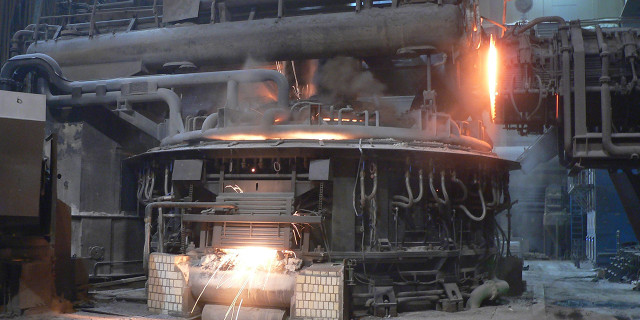
Waste heat is generated in a variety of ways in industry. This is particularly true for the smelting and recycling industries. There are also many different ways to convert waste heat into usable energy. Our closed cooling circuits, which use water or steam as the cooling medium, offer a simple solution, allowing waste heat to be easily extracted.
Our years of expertise and our in-depth understanding of the melting and heat-intensive core processes in our customers’ plants ensure that all interventions for waste heat utilization in existing systems are carried out without negative consequences for production.
You can find a recent publication by us on the topic of waste heat utilization, for example, in the March 2023 issue of the VIK Association of Industrial Energy and Power Management. The article is available for free download.
Promoting ecology.
Together with selected partners from the energy industry and energy technology sector, we develop comprehensive waste heat utilization concepts for you upon request, covering everything from technical feasibility to ecological and macroeconomic considerations, as well as grant management and all other criteria necessary for an investment decision. Would you like to check whether your cooling water circuits also have potential for waste heat recovery? Or do you already have a concrete idea for using the waste heat from your furnace to operate an ORC plant? Don’t hesitate to contact us.
Your contacts
Olaf Huscher, Dipl.-Ing.
Partner and Managing Director
+49 (0) 2364 10539-0
huscher@kskgruppe.de

Andreas Höwedes, M.S. in Industrial Engineering
Partner and Managing Director
+49 (0) 2364 10539-0
hoewedes@kskgruppe.de
The six KSK quality criteria for waste heat utilization.
Clear
Process flow diagrams and instructions can quickly become complex depending on the application. As a result, so-called secondary processes, such as waste heat recovery, can easily get lost in the presentation and understanding. To ensure this does not happen with your system, our design is always kept as simple as possible, and the corresponding documentation and control panels in the control cabinet are clearly laid out.
Functional
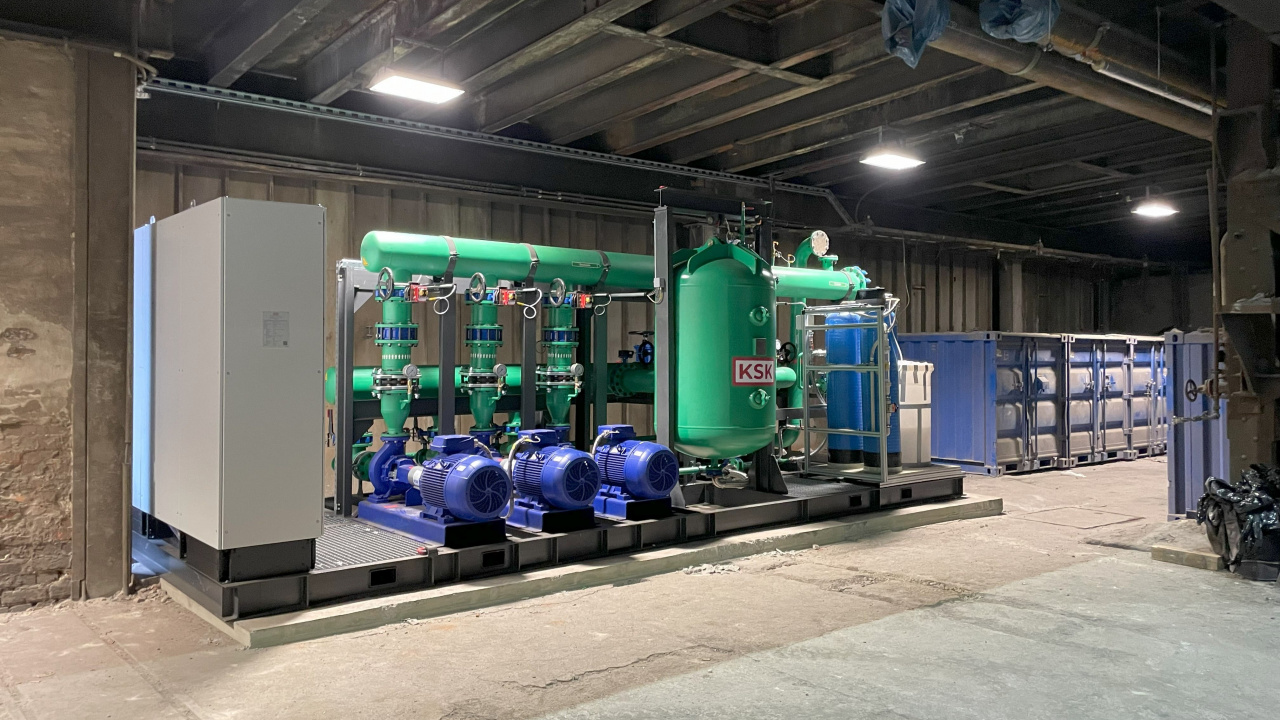
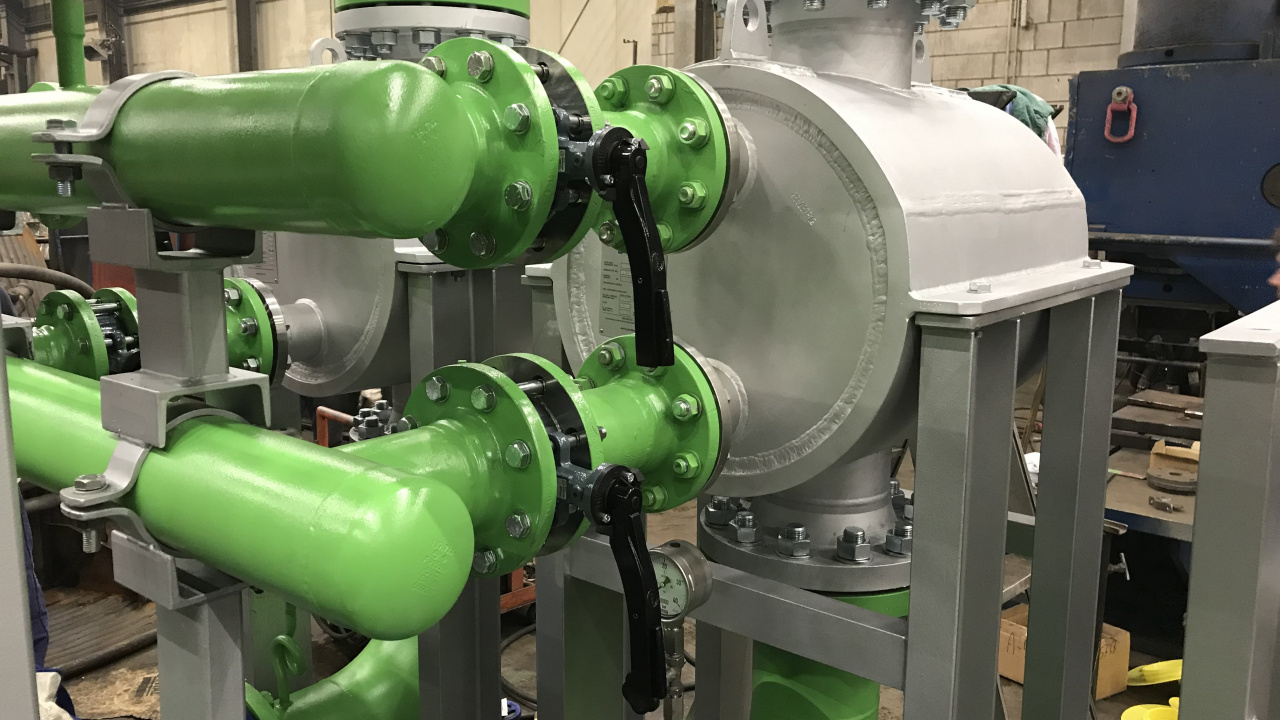
Our technical solutions for waste heat recovery are generally not off-the-shelf but are always tailored in their functionality to the specific conditions. Is a certain temperature level required for transferring the waste heat to a local heating network? Or is the primary process discontinuous, yet you need a constant heat supply for further processing? Is a simple plate heat exchanger sufficient, or should it rather be a plate-and-shell heat exchanger designed for high pressures and temperatures? As many questions as there are, there are often just as many potential solutions. It’s a good thing we’ve already gained some experience in this area, from which you’re welcome to benefit.
Innovative
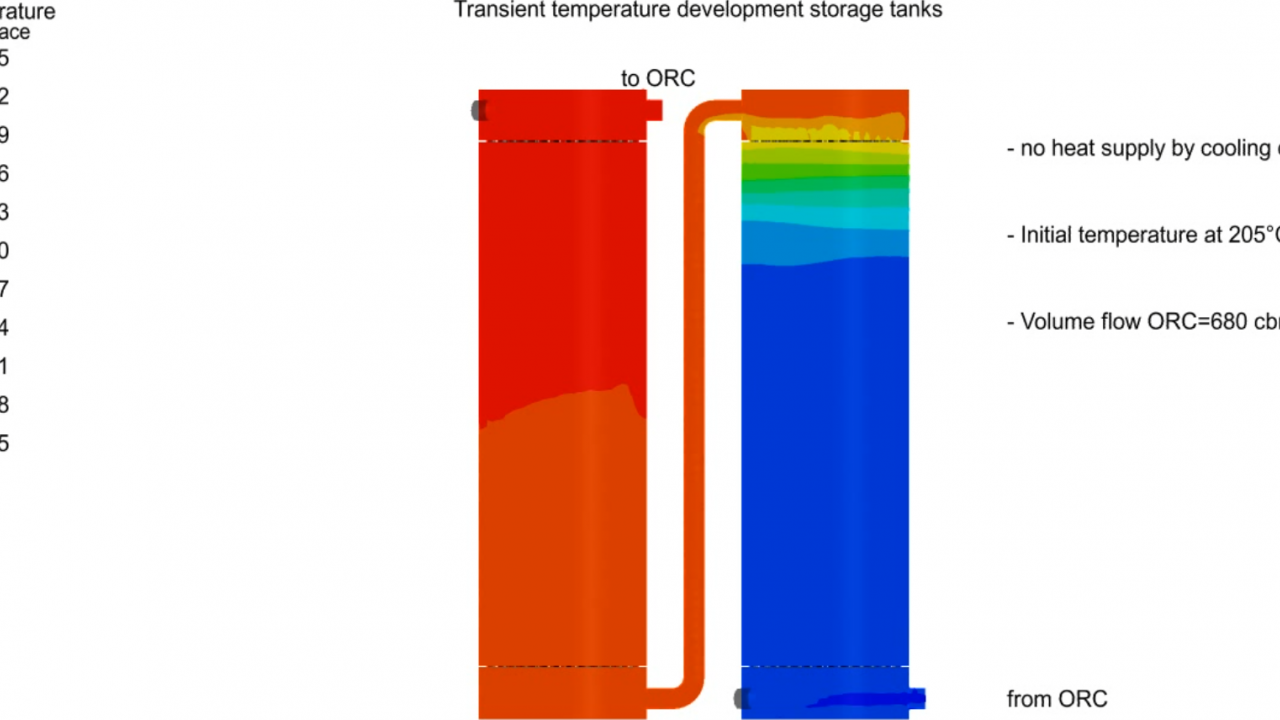
Waste heat is a byproduct of many production and other processes. For a long time, it was overlooked in further processing. Therefore, innovative approaches and ideas are always needed to capture, extract, and utilize it. Sometimes a minimally invasive intervention in the existing process technology is sufficient. In other cases, the redesign of entire components may be advisable. To clarify these or other issues and put innovative ideas to the test, we are also happy to support you in advance with a simulation or a corresponding study.
Precise Fit
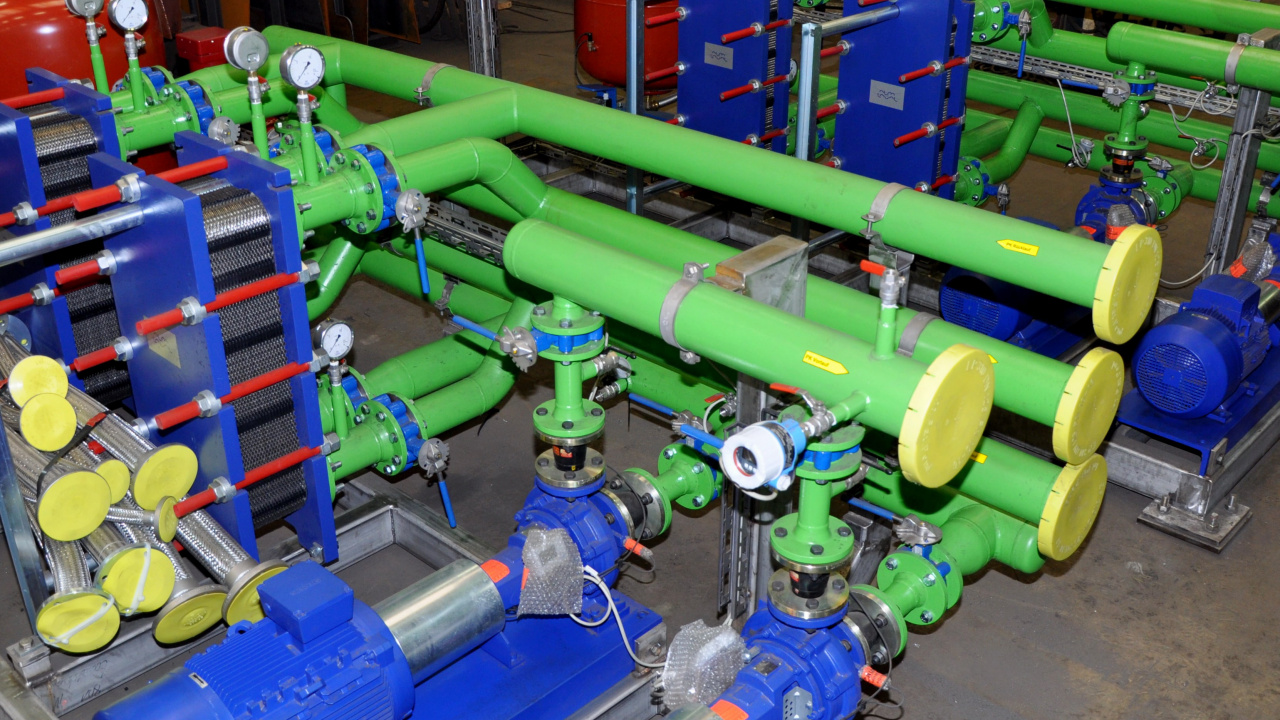
Working within existing structures often poses unique challenges regarding precision fit. Using our 3D surveying and state-of-the-art design methods, we integrate our waste heat recovery systems and stations precisely into the available space. Whether it’s a modular setup, a container solution, or a decentralized design—we’ll find a smart solution tailored to the space you have available.
Maintenance-friendly
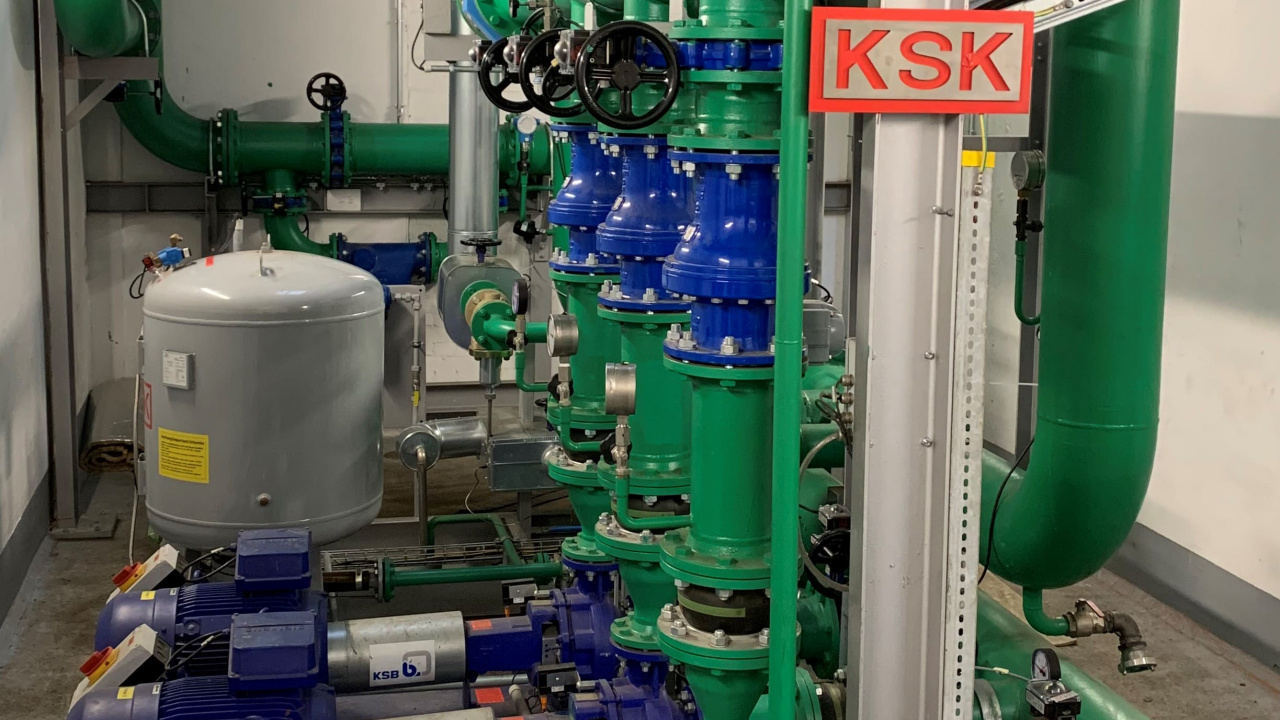
Our waste heat recovery systems are designed for low-maintenance and trouble-free continuous operation, so you can focus on the important aspects of your daily maintenance routine. For all purchased components used in our systems, we naturally ensure they are fully compatible with steel mill environments.
Economical
Utilizing waste heat as a byproduct of production processes sounds good. But does it always make economic sense? Together with selected partners from the energy industry and energy technology sector, we develop comprehensive waste heat utilization concepts for you upon request, covering everything from technical feasibility to ecological and macroeconomic considerations as well as grant management and all other criteria necessary for an investment decision. This allows you to reliably assess, prior to making an investment, when a system will potentially pay off and what economic conditions must be in place for this to happen.
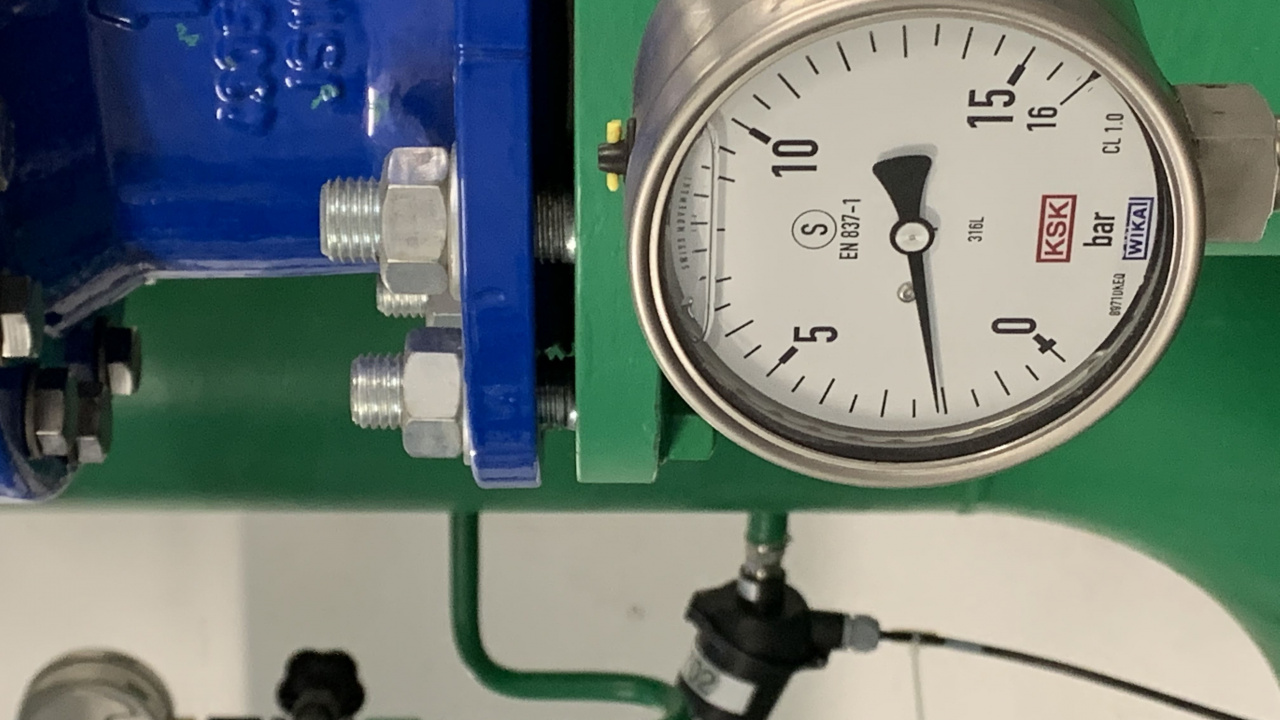
Table of contents
-
What is waste heat recovery and why is it important?
- Waste Heat Utilization
- Basics of Waste Heat Utilization in Industrial Processes
- The Role of Waste Heat Utilization in Energy Efficiency and Climate Protection
- How Waste Heat Contributes to Reducing CO2 Emissions
What is waste heat recovery and why is it important?
Waste Heat Utilization
Waste heat recovery refers to the use of heat generated as a byproduct of an industrial process. This unused heat can be efficiently utilized in many ways across various industries and companies. Effective waste heat recovery is not only economically sound but also contributes to resource conservation and the reduction of environmental impact.
Basics of Waste Heat Utilization in Industrial Processes
Industrial production processes, such as steel manufacturing in the steel industry or metal recycling, generate a significant amount of energy in the form of waste heat. This waste heat often escapes unused into the environment, representing a loss of potential energy. The efficient use of this excess heat through technologies such as heat exchangers and heat storage systems can significantly reduce energy costs and protect the environment.
The Role of Waste Heat Utilization in Energy Efficiency and Climate Protection
The utilization of waste heat directly contributes to increased energy efficiency by reducing the need to generate additional energy for heating systems or to produce process heat. Furthermore, the reduction in energy demand achieved through waste heat utilization has positive effects on the climate, as it significantly lowers CO2 emissions. This supports climate protection goals across industries and promotes sustainable production methods.
How Waste Heat Contributes to Reducing CO2 Emissions
By utilizing waste heat, companies can significantly reduce their carbon footprint. Energy that would otherwise have to be sourced from external sources to heat rooms or power production processes can be covered by the company’s own waste heat. This not only saves energy but also reduces greenhouse gas emissions . In many cases, the efficient use of waste heat can reduce a company’s emissions by up to 30 percent.
What technologies enable the effective use of waste heat?
Use of heat exchangers and heat storage systems
Heat exchangers and heat storage systems are key components in the efficient transfer and utilization of excess heat in industrial processes. Heat exchangers can transfer waste heat directly from one process to another, while heat storage systems offer the ability to store energy for later use. These technologies make it possible to use waste heat for heating operational spaces, as process heat, or in thermoelectric systems.
Introducing innovative technology for industrial waste heat utilization
Innovations such as thermoelectric generators open up new ways to harness the energy of waste heat. These devices can convert temperature differences directly into electrical energy, thereby offering an efficient way to utilize previously unused heat. Companies such as KSK GmbH advise and support businesses in selecting and implementing such technologies to further reduce energy consumption and emissions.
Examples of applications in industrial facilities and their benefits
In the chemical industry and in energy production, waste heat is already being successfully used to increase overall efficiency. For example, heat recovery can lower energy production costs and reduce dependence on fossil fuels. This leads not only to financial savings but also to a significant reduction in environmental impact.
How can companies improve their energy efficiency by utilizing waste heat?
Analyzing energy needs and identifying waste heat potential
The first step toward improving energy efficiency through waste heat utilization is to analyze a facility’s existing energy needs and identify potential sources of waste heat. Through a detailed examination of production processes and existing equipment, areas with high waste heat potential can be identified, and measures to utilize these energy sources can be developed.
Planning and implementing waste heat utilization projects
Once waste heat sources have been identified, careful planning of waste heat utilization projects is essential. This includes selecting suitable technologies, calculating investment costs and expected savings, and considering environmental aspects. Grants and financial support from public agencies can help reduce initial investment costs and facilitate the implementation of waste heat utilization projects.
Investment Costs and Savings Through Efficient Waste Heat Utilization
Although the initial investment costs for implementing waste heat utilization technologies can pose a hurdle, the financial benefits often become apparent quickly in the form of lower energy costs and reduced emissions. Typically, the investments pay for themselves within a few years, making waste heat utilization not only environmentally but also economically highly beneficial.
Which industries benefit most from waste heat utilization?
Applications in the steel industry and metal recycling
The steel industry and metal recycling are particularly energy-intensive sectors in which significant energy savings can be achieved through the effective use of waste heat. Reusing the waste heat generated during steel production for other industrial processes or for heating can significantly reduce energy consumption and costs.
Increased efficiency in the chemical industry through heat recovery
In the chemical industry, too, the use of waste heat offers great potential for increasing efficiency. Heat recovery systems make it possible to recover valuable energy generated during chemical reactions and use it to power the plants. This leads to a significant reduction in energy costs while promoting environmentally friendly operations.
Examples of successful waste heat utilization in other industrial sectors
Many other industries, including food processing, the paper and pulp industry, and glass manufacturing, also benefit from the implementation of waste heat utilization projects. Through innovative technologies and customized solutions, efficiency can be increased and a contribution made to environmental protection in nearly every industrial sector.
What are the challenges and potential solutions for utilizing industrial waste heat?
Overcoming technical and financial hurdles
The biggest challenges in utilizing waste heat lie in the technical and financial hurdles. Technical challenges include integrating waste heat recovery systems into existing facilities and processes. Financial hurdles relate to the initial investment costs and ensuring the projects’ economic viability. Solutions include utilizing grants, seeking technical advice from experts, and selecting energy-efficient technologies that lead to long-term savings.
Strategies for Maximizing Energy Savings and Environmental Benefits
To maximize energy savings and environmental benefits, a holistic approach to waste heat recovery is necessary. This includes the continuous optimization of facilities, training employees in energy awareness, and integrating waste heat recovery into corporate policy. Additionally, collaborations between industry, research, and government agencies play a key role in the development and implementation of innovative solutions.
Expert Opinion
Best Practices in Waste Heat Recovery
Consulting experts and studying best practices provide valuable insights into successful strategies for waste heat utilization. Numerous companies have already demonstrated that investing in waste heat utilization is worthwhile and yields both financial and environmental benefits. By sharing experiences and collaborating with experts, businesses can avoid potential pitfalls and optimize the implementation of waste heat utilization systems.
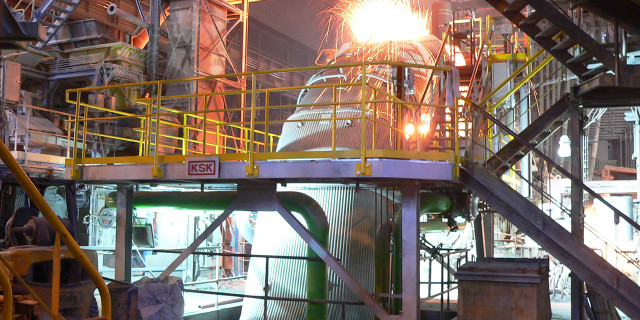
Flue gas cleaning
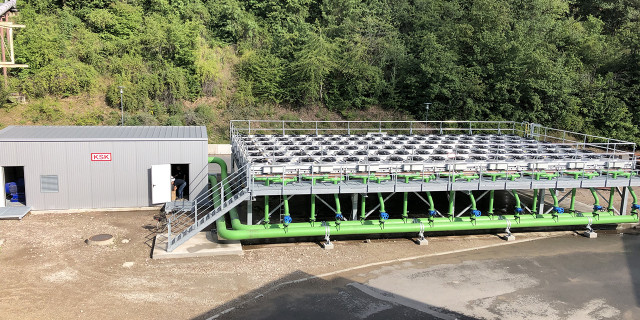
Industrial cooling
FAQs on waste heat utilization
Table of contents
- Q: How can the waste heat in industrial plants be used efficiently?
- Q: What economic advantages does the use of waste heat offer companies?
- Q: Can you also generate electricity with waste heat?
- Q: What should be considered when planning a waste heat recovery system?
- Q: What role do renewable energies play in the utilization of waste heat?
- Q: How does the use of waste heat contribute to sustainability?
- Q: Are there examples of successful waste heat utilization in Germany?
Q: How can the waste heat in industrial plants be used efficiently?
A: Industrial plants, especially energy-intensive ones, produce large amounts of excess heat every year. By using heat recovery technologies, this excess heat can be used to heat rooms, produce hot water or even be fed into the local district heating network. The Federal Ministry for Economic Affairs and Energy supports such projects to promote energy efficiency. By using heat recovery technologies, industrial companies can not only reduce their energy costs, but also contribute to climate protection by reducing their CO2 emissions. In addition, they can generate additional income by selling excess heat to third parties.
To facilitate the implementation of such projects, the Federal Ministry for Economic Affairs and Energy offers various funding programs. These include, among other things, grants for the planning and implementation of heat recovery measures, as well as loans and grants for investments in efficient technologies.
By promoting heat recovery in industrial plants, the Federal Ministry for Economic Affairs and Energy is helping to increase energy efficiency in Germany and achieve climate targets. Companies that invest in such measures can not only benefit from the financial advantages, but also make an important contribution to environmental protection.
Q: What economic advantages does the use of waste heat offer companies?
A: Using waste heat can help companies reduce their energy costs, as less energy has to be purchased from external sources for heating or hot water. In addition, companies can benefit from funding and tax advantages. According to the German Energy Agency (dena), operating costs can be significantly reduced, which is particularly interesting for medium-sized companies. In addition, the use of waste heat also offers ecological advantages, as it contributes to the reduction of CO2 emissions. By using heat efficiently, less fossil energy is required, which in turn reduces environmental pollution.
To make effective use of waste heat, companies need to use appropriate technologies such as heat recovery systems or heat pumps. However, these investments can pay off in the long term, as they can lead to a long-term reduction in energy costs and increase the company's competitiveness.
Overall, the use of waste heat offers both economic and ecological advantages for companies. It is therefore worth considering appropriate energy efficiency measures and integrating them into your business strategy.
Q: Can you also generate electricity with waste heat?
A: Yes, by using combined heat and power plants, electricity can also be produced from the excess heat. The steam generated by the use of waste heat is used to drive a turbine. This process can both increase energy efficiency and reduce CO2 emissions. By using combined heat and power plants, the principle of energy efficiency can be improved because the excess heat that would normally be dissipated unused is converted into electricity. This means that less energy is wasted and, at the same time, CO2 emissions can be reduced because less fuel is needed to generate energy.
Combined heat and power plants are particularly efficient in buildings or industrial plants where heat and electricity are needed continuously. By using these plants, a significant contribution can be made to the energy transition, as they help to reduce dependence on fossil fuels and promote renewable energies.
Overall, combined heat and power plants represent a sustainable and resource-efficient way to generate energy and are therefore an important building block for a future climate-friendly energy supply.
Q: What should be considered when planning a waste heat recovery system?
A: When planning a waste heat recovery system, it is important to analyze and understand the entire energy flow of the respective operation. This includes identifying sources of waste heat, heat demand and possible heat utilization paths. It is advisable to consult experts to implement an efficient and sustainable solution. Furthermore, it should be checked to what extent funding programs can be used. Furthermore, it is important to keep an eye on local laws and regulations in order to go through any approval procedures. This also includes taking into account environmental protection requirements and emission guidelines.
When implementing a system to use waste heat, long-term costs and possible savings should also be considered. Investment costs, operating costs and potential savings from using the waste heat are important factors to consider.
Careful planning and implementation of a system for utilizing waste heat can not only lead to cost savings, but also to a reduction in CO2 emissions and thus contribute to sustainable operations. It is therefore important to carefully analyze all aspects of the system and develop a holistic solution.
Q: What role do renewable energies play in the utilization of waste heat?
A: Renewable energies and the use of waste heat complement each other ideally. Integrating systems that use waste heat into existing plants that run on renewable energies can improve the overall efficiency of energy consumption. This further contributes to the reduction of CO2 emissions and to achieving sustainability and climate protection goals. By utilizing waste heat from industrial processes, buildings or power plants, energy can be used more efficiently, thus reducing the consumption of primary energy sources. This not only lowers the cost of energy, but also the environmental impact of using fossil fuels.
In combination with renewable energies such as solar, wind or biomass, the use of waste heat can also help to balance out fluctuations in energy production. For example, heat boilers can be combined with solar thermal energy to ensure a continuous supply of hot water even when there is no sunshine.
In addition, waste heat systems can also help to improve the economic efficiency of renewable energies. This is because the integration of waste heat can reduce the operating costs of renewable energy systems and shorten their payback periods.
Overall, the use of waste heat in combination with renewable energies offers numerous advantages for the environment, the economy and climate protection. It is therefore important to further promote this approach and to implement it more in practice.
Q: How does the use of waste heat contribute to sustainability?
A: The use of waste heat plays an important role in reducing energy consumption and CO2 emissions. By efficiently reusing heat that would otherwise escape unused into the environment, companies contribute directly to the conservation of natural resources and sustainability. This is an important step towards more environmentally friendly production and sustainable economic activity. Waste heat is generated in many production processes, particularly in industry, but also in households and office buildings. It can be used in a variety of ways, for example for heating buildings, in heat recovery processes or for generating electricity using combined heat and power.
By using waste heat, companies can not only reduce their energy consumption and costs, but also contribute to climate protection. This is because lower energy consumption also means lower CO2 emissions, which contribute to global warming.
It is therefore important that companies recognize waste heat as a resource and use it in a targeted manner. Technical solutions such as heat exchangers or efficient heating systems can be used for this purpose. Cooperation with other companies or institutions in the form of heating partnerships can also help to ensure that waste heat is used efficiently and thus relieve the burden on the environment.
Overall, the use of waste heat offers great potential for saving energy and reducing CO2 emissions. Companies that go down this path not only contribute to environmental protection, but can also benefit economically from it. It is therefore important that the use of waste heat is increasingly promoted and driven forward in order to support a sustainable and resource-efficient economy.
Q: Are there examples of successful waste heat utilization in Germany?
A: There are numerous examples of the successful use of waste heat in Germany. One example is the use of waste heat from steelworks to supply neighboring residential areas via a district heating network. Another example is the use of waste heat from data centers to heat office buildings. Such projects show that the technology is not only theoretically worthwhile, but can also be practically implemented and is beneficial. Another example is the use of waste heat from industrial plants for the generation of electricity and heat in combined heat and power plants. Here, the waste heat generated during electricity generation is put to good use to increase energy efficiency and conserve resources.
There are also opportunities for using waste heat in agriculture. For example, the waste heat from biogas plants can be used to heat greenhouses. This can reduce operating costs and CO2 emissions.
Overall, the use of waste heat offers a wide range of opportunities to use energy more efficiently and to protect the environment. Through innovative technologies and concepts, companies and private households alike can benefit from the advantages.
