
Table of contents
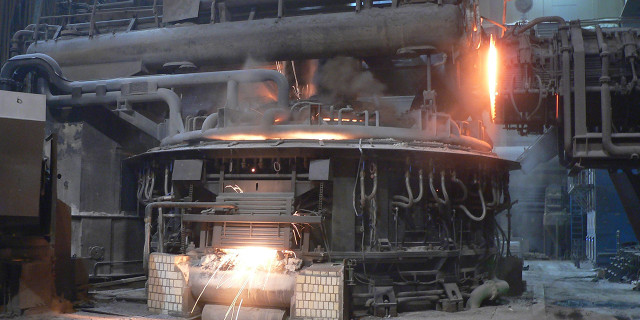
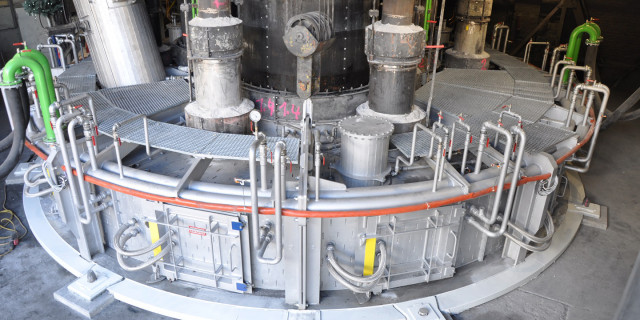
The KSK bath melting furnace.
Bath melting furnaces are designed and constructed differently depending on the material being melted, metallurgy, and historical and local conditions. When designing or redesigning your bath melting furnace, we at KSK System Kühl Technik take these individual conditions into account and work with you to develop the best possible cooling solution for your unit.
Innovative cooling technology.
If the vessel of your bath melting furnace is cooled using trickle cooling or a similar technique with an open cooling circuit, we have good news for you! We have developed an innovative cooling system that utilises the advantages of trickle cooling without relying on an open cooling circuit with all its well-known drawbacks. The furnace wall or ceiling remains a sheet metal construction. The cooling water circuit is completely separate. Would you like to find out more? Then please contact your direct contact person at KSK.
Your contacts
Dipl.-Ing. Olaf Huscher
Managing Partner
+49 (0) 2364 10539-0
huscher@kskgruppe.de
Andreas Höwedes, MSc (Eng)
Partner and Managing Director
+49 (0) 2364 10539-0
hoewedes@kskgruppe.de
Table of contents
- Bath smelting furnace: An introduction to the technology and its applications
-
What is a bath smelting
furnace and how does it work?
- How is a bath smelting furnace used to extract lead?
- What technological advances characterise modern bath smelting furnaces?
Bath smelting furnace: An introduction to the technology and its applications
The bath smelting furnace is a key technology in metal processing, used primarily in the extraction of raw materials such as lead, copper and other metals. These furnaces are known for their efficiency and their ability to extract large quantities of metals from ore, whilst producing by-products such as slag. Thanks to continuous technological advances, bath smelting furnaces have taken on a significant role in industry and are used worldwide in various applications.
What is a bath smelting furnace and how does it work?
A bath smelting furnace is a type of smelting furnace that processes materials at high temperatures to extract metals from ores. Unlike other types of furnaces, the bath smelting furnace operates at constant high temperatures and utilises chemical reactions to extract metals such as lead and copper. The furnace structure is designed to ensure efficient heat transfer and a complete reaction of the materials. This makes the bath smelting furnace an indispensable tool in the metal industry.
How is a bath smelting furnace used to extract lead?
The bath smelting furnace plays a crucial role in lead production. It enables lead to be extracted from ore by heating the ore to high temperatures and triggering chemical reactions that release the lead. Natural gas is often used as a fuel to achieve the necessary temperature. The resulting slag produced during the process is also treated to recover all valuable metals.
What technological advances characterise modern bath smelting furnaces?
Modern bath smelting furnaces are equipped with a variety of technological advancements. These include advanced KSK system cooling technology, which ensures efficient cooling and heat transfer, as well as automated control systems that optimise operation. These advancements help to reduce energy consumption and increase production efficiency. Furthermore, modern bath melting furnaces are capable of extracting a wide range of metals from different ores, which expands their versatility and scope of application.
What are the benefits of operating a bath smelting furnace?
Operating a bath smelting furnace offers numerous advantages. One of the main benefits is the high efficiency in metal extraction, which leads to increased productivity. Furthermore, modern technologies enable improved environmental sustainability by reducing emissions and using resources more efficiently. Companies also benefit from the flexibility of these furnaces, which are designed to process various metals.
Why are water-cooled system setups advantageous?
Water-cooled systems are an essential component of modern bath melting furnaces. They help regulate temperatures within the furnace, ensuring consistently high efficiency and a longer service life for the furnace systems. These systems minimise the risk of overheating and enable more precise control of the melting processes, thereby improving product quality.
What are the challenges involved in operating a bath melting furnace?
Despite the many advantages, there are also challenges involved in operating a bath melting furnace. One of the biggest challenges is controlling emissions of pollutants, such as sulphur dioxide and particulate matter, which are produced during metal processing. Furthermore, companies must ensure that their facilities comply with the latest safety standards to minimise the risk of accidents and environmental damage. High energy consumption and the need for regular maintenance are further aspects that must be carefully managed.
What environmental regulations must be observed?
Strict environmental regulations must be observed when operating a bath melting furnace. These include measures to reduce emissions and ensure the proper disposal of slag and other by-products. Companies in Haltern am See are obliged to use modern filter technologies to minimise air pollution and ensure compliance with legal regulations. This is crucial for reducing the environmental impact and protecting public health.
What role does slag play in the bath smelting process?
Slag is a significant by-product of the bath smelting process and plays an important role in metal processing. It is produced when impurities and unwanted elements are separated from the pure metal during metal extraction. The efficient treatment and utilisation of slag can contribute to increasing the economic efficiency of the entire process.
How is slag treated in the bath smelting furnace?
In the bath smelting furnace, the slag is carefully treated to recover any valuable metals that may still be contained within it. These often include copper and zinc, which are extracted from the slag using specialised processes. The remaining slag can be reused in various industrial applications or recycled as a building material.
What products can be obtained from the slag?
Various products can be recovered from the slag produced in the bath smelting furnace. In addition to the metals extracted through further processing, the slag can also be used as a raw material for cement production or as an aggregate in the construction industry . This use helps to reduce waste and conserve natural resources.
How is air pollution from slag minimised?
To minimise air pollution caused by slag, companies use state-of-the-art filtration and purification technologies. These systems are designed to effectively reduce harmful emissions such as sulphur dioxide and particulate matter before they enter the atmosphere. Regular inspections and maintenance of the equipment ensure that statutory environmental standards are met and that the impact on the environment is minimised.
How has the use of bath smelting furnaces changed over the years?
The use of bath melting furnaces has changed significantly over the years. Technological advances and increasingly stringent environmental regulations have led to the continuous development of these furnaces. Companies have invested in modern technologies to improve their efficiency and minimise their environmental impact. At the same time, safety standards have been improved to ensure the protection of staff and the environment.
What developments have taken place in recent decades?
Over the past few decades, bath melting furnaces have evolved through numerous developments. Advances in materials science and furnace technology have significantly improved the efficiency and performance of these systems. Furthermore, new processes for reducing emissions and utilising by-products such as slag have enhanced the sustainability of the processes.
How have safety standards changed?
Safety standards for the operation of bath melting furnaces have improved significantly over the years. Stricter regulations and state-of-the-art safety technologies have helped to reduce the risk of accidents and improve working conditions in the smelting works. Companies are obliged to carry out regular training and safety inspections to ensure that all employees are familiar with the latest safety procedures.
What are the future prospects for bath smelting furnaces?
The future prospects for bath melting furnaces are promising. With the growing demand for sustainable and efficient production methods, bath melting furnaces will play a key role in the metal industry. Ongoing research and development of new technologies will enable further increases in efficiency and minimise environmental impact. At the same time, advanced materials and automation technologies will help to improve the safety and reliability of these systems.
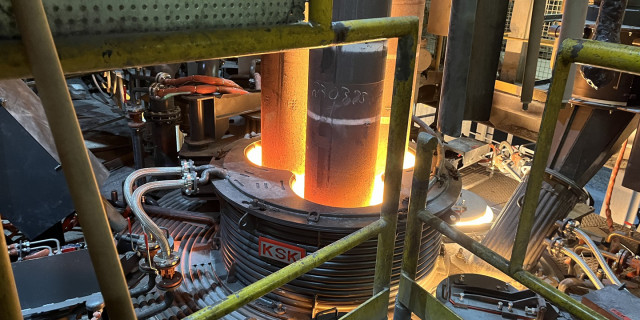
Ladle Furnace
Submerged Arc Furnace
FAQs on Bath Melting Furnaces
Table of contents
- Q: What is a bath melting furnace?
- Q: How does a bath melting furnace work?
- Q: Which metals are typically processed in a bath melting furnace?
- Q: Where in Germany are the major bath smelting furnace sites located?
- Q: What environmental aspects need to be considered when operating a bath smelting furnace?
- Q: How long have bath melting furnaces been used in industry?
- Q: What role does natural gas play in the operation of a bath melting furnace?
- Q: What is a bath melting furnace?
- Q: Which metals are typically processed in a bath smelting furnace?
- Q: What environmental considerations should be taken into account when using a bath melting furnace?
- Q: Since when have bath melting furnaces been used in industry?
- Q: What energy sources are used to operate a bath melting furnace?
- Q: What products result from processing in a bath melting furnace?
- Q: Which companies are leading the way in the use of bath smelting furnaces?
- Q: What challenges are involved in maintaining a bath melting furnace?
Q: What is a bath melting furnace?
A: A bath melting furnace is a specialised furnace used for processing metals such as lead and copper. In it, raw materials are melted at high temperatures to extract metals. A bath smelting furnace is a specialised furnace used for processing metals such as lead and copper. In it, raw materials are melted at high temperatures to extract metals. The process begins with the feeding of raw materials, which may consist of ores or secondary raw materials. These are placed into the furnace together with fluxes and other additives.
Inside the furnace, the high temperature ensures that the metals are released from their compounds and liquefied. During the smelting process, the slag, which consists of non-metallic components, separates from the metals. The slag floats to the top and can be skimmed off or drained away.
The temperature and chemical composition of the bath are carefully monitored and regulated to ensure optimal yield and purity of the metals obtained. Depending on the type of metal and the process used, different techniques may be employed, such as the oxygen blowing process, to increase the efficiency of the smelting process.
Once the smelting process is complete, the molten metal is tapped and poured into moulds to form ingots or other shapes suitable for further processing or sale. Modern bath smelting furnaces are often equipped with advanced control and flue gas cleaning systems to minimise environmental impact and maximise energy efficiency.
The use of bath smelting furnaces is a central component of metallurgy and plays a crucial role in the extraction and processing of metals that are essential for numerous industrial applications.
Q: How does a bath melting furnace work?
A: The bath smelting furnace works by melting metals such as lead and copper into a liquid bath. This produces slag and metals, which are then processed further. The process begins with the loading of ore concentrates, additives and coke into the furnace. The heat in the furnace, generated by the combustion of the coke, causes the metal compounds to melt and separate from the non-metallic impurities. These impurities form the slag, which is lighter than the liquid metal and therefore rises to the surface.
The molten metal bath that collects at the bottom of the furnace can then be tapped off to be purified in further processing stages and shaped into various products. The slag is also removed and can, in some cases, be reused or recycled, for example in the construction industry.
One advantage of the bath smelting furnace is its ability to process different metals simultaneously and the efficiency with which it operates due to the high temperatures and continuous smelting processes. These furnaces are widely used in the metal industry as they offer an effective method for extracting pure metals from ores.
In addition, modern bath smelting furnaces can be equipped with environmental protection technologies to reduce emissions and increase energy efficiency, making them a more sustainable option in metal processing.
Q: Which metals are typically processed in a bath melting furnace?
A: A bath smelting furnace typically processes metals such as lead, copper and zinc, which are extracted from raw materials. A bath smelting furnace typically processes metals such as lead, copper and zinc, which are extracted from raw materials. The process begins with the feeding of raw materials, which are often in the form of ores, concentrates or recycled materials. These materials are fed into the furnace together with additives and fuels.
Inside the furnace, the materials are heated to very high temperatures, often using oxygen enrichment to increase the efficiency of combustion and melting. The intense heat causes the metals to melt and separate from the unusable components, known as gangue. This process is referred to as slag formation, whereby the slag floats to the top and can be easily separated from the molten metal.
Controlling the temperature and chemical composition within the furnace is crucial to ensuring the quality of the end product. After melting, the liquid metal is poured into suitable moulds or further processed to prepare it for the market or further industrial use.
A bath smelting furnace offers the advantage of continuous production and high efficiency in metal recovery. However, the process is energy-intensive and requires careful management of emissions to meet environmental regulations and minimise the impact on the environment . Modern plants are therefore often equipped with advanced filtration systems and other technologies to reduce their environmental footprint.
Q: Where in Germany are the major bath smelting furnace sites located?
A: Major locations for bath smelting furnaces in Germany include the smelter in Nordenham. Another important location for bath smelting furnaces in Germany is the smelter in Duisburg. This region is known for its long tradition in metal processing and offers an ideal infrastructure for the operation of smelting works. Its proximity to major industrial regions and excellent transport links make Duisburg a central hub for the metallurgical sector.
Another significant centre for bath smelting furnaces is the region around Freiberg in Saxony. Here, the focus is primarily on the processing of silver and other precious metals. The region’s long-standing mining tradition and proximity to rich ore deposits make Freiberg an important location for metallurgy in Germany.
In addition to these major centres, there are also smaller sites in Germany that specialise in the processing of specific metals or alloys. This diversity of locations and specialisations contributes to Germany’s status as one of the leading nations in the metalworking industry.
Q: What environmental aspects need to be considered when operating a bath smelting furnace?
A: When operating a bath smelting furnace, it is important to control emissions of sulphur dioxide and fly ash in order to ensure environmental protection. Here are some measures that can be taken to control emissions of sulphur dioxide and fly ash from a bath smelting furnace:
1. Use of raw materials with low sulphur content: Using materials with a lower sulphur content can reduce the production of sulphur dioxide.
2. Efficient flue gas cleaning systems: The use of modern flue gas cleaning systems, such as desulphurisation plants and electrostatic precipitators, can significantly reduce the amount of sulphur dioxide and particulate matter in the flue gases .
3. Optimisation of the combustion process: By optimising combustion conditions, such as temperature and air supply, the formation of sulphur dioxide can be minimised and combustion efficiency improved.
4. Regular maintenance and monitoring: Regular inspections and maintenance of the systems ensure that they operate efficiently and that emissions remain within legal limits.
5. Use of alternative fuels: The use of fuels containing less sulphur or utilising renewable energy sources can also help to reduce emissions.
6. Staff training: Training for operating personnel on environmentally friendly operating practices and the importance of emissions control can help to minimise the environmental impact.
By implementing these measures, the operation of a bath melting furnace can be made more environmentally friendly and compliance with environmental regulations ensured.
Q: How long have bath melting furnaces been used in industry?
A: Bath melting furnaces have been used in industry for many years. Their technology has evolved over the years to become more efficient and environmentally friendly. Bath melting furnaces have been used in industry for many years. Their technology has evolved over the years to become more efficient and environmentally friendly. Modern bath melting furnaces utilise advanced materials and design methods to ensure uniform heat distribution and minimise energy consumption.
A key advancement in the development of these furnaces is the integration of digital control technology, which enables more precise monitoring and regulation of the melting processes. This not only leads to higher product quality but also reduces waste and operating costs.
Furthermore, modern bath melting furnaces place great emphasis on sustainability. Many manufacturers are investing in the development of furnaces that can be powered by renewable energy or that reduce emissions through innovative filter systems. This not only benefits the environment but also helps companies meet strict environmental regulations and improve their environmental footprint.
Another trend is the increasing automation of these systems, which makes it possible to reduce labour costs whilst simultaneously improving worker safety . Automated systems can also help to further increase efficiency by optimising processes and improving maintenance planning.
Overall, the development of bath melting furnaces remains a dynamic field that continuously integrates new technologies and approaches to meet the demands of modern industry.
Q: What role does natural gas play in the operation of a bath melting furnace?
A: Natural gas is often used as a fuel in the operation of a bath melting furnace, as it represents a clean and efficient energy source. Natural gas is often used as a fuel in the operation of a bath melting furnace, as it represents a clean and efficient energy source. It burns with high energy efficiency and produces fewer pollutants and CO₂ emissions compared to other fossil fuels such as coal or oil. This makes natural gas a more environmentally friendly option for industrial processes requiring high temperatures.
Furthermore, the precise controllability of the natural gas supply allows for optimal control of the melting process, leading to higher product quality and energy efficiency. The continuous supply of natural gas also ensures stable operation of the furnace, which minimises downtime and increases productivity.
The industry therefore frequently relies on natural gas to meet the requirements for environmentally sound and cost-effective production. Furthermore, many countries promote the use of natural gas as part of their efforts to reduce greenhouse gas emissions and achieve their climate targets.
Q: What is a bath melting furnace?
A: A bath smelting furnace is a specialised furnace used for the extraction and processing of metals such as lead and copper. It is particularly efficient for processing metals in large quantities. A bath smelting furnace is a special type of furnace used for the extraction and processing of metals such as lead and copper. It is particularly efficient for processing metals in large quantities. The furnace typically operates at very high temperatures, which are necessary to melt the metals and separate them from impurities.
In a typical process, the ore is first crushed and fed into the furnace, where it melts due to the high temperatures. The differences in density between the molten metal and the slag allow the two to be separated. The molten metal is then drained off and further processed or cast into moulds to produce ingots, which can later be refined.
A major advantage of bath smelting furnaces is their ability to operate continuously, meaning they can process large quantities of metal in a short time. This makes them a preferred choice in the metal industry, particularly in areas where efficiency and high production capacities are crucial.
Furthermore, modern bath smelting furnaces are often equipped with advanced control systems that precisely monitor and regulate the temperature and chemical processes inside the furnace. This helps to improve the quality of the metal produced and optimise energy consumption, offering both economic and environmental benefits.
Overall, bath smelting furnaces play a central role in metallurgy and are a crucial element in the efficient and effective extraction of metals required by numerous industries.
Q: Which metals are typically processed in a bath smelting furnace?
A: Metals such as lead, copper and zinc are typically processed in a bath smelting furnace. These metals are extracted from raw materials and further processed. Metals such as lead, copper and zinc are typically processed in a bath smelting furnace. These metals are extracted from raw materials and further processed. The process begins with the smelting of the ores in the furnace, where high temperatures help to separate the metals from other components. In a bath smelting furnace, the ore is heated together with a flux, which lowers the melting temperature and facilitates the separation of the metals.
Once the metals have melted, they are further purified and alloyed, depending on the specific requirements of the end use. The purified and shaped metal ingot is then cooled and prepared for the next stage of production, which can vary depending on the metal and its intended use. Copper, for example, can be drawn into wires or rolled into sheets, whilst lead is frequently used in batteries or as radiation shielding.
The processing of these metals in a bath smelting furnace is an essential part of the metallurgical industry, which relies on efficient and sustainable processes to meet the growing demand for metals in the modern world. Recycling and the recovery of metals from scrap materials also play an increasingly important role in reducing environmental impact and conserving resources.
Q: What environmental considerations should be taken into account when using a bath melting furnace?
A: The operation of a bath melting furnace produces emissions such as sulphur dioxide and particulate matter. Companies must therefore comply with strict environmental regulations in order to minimise these emissions. The operation of a bath melting furnace produces emissions such as sulphur dioxide and particulate matter. Companies must therefore comply with strict environmental regulations in order to minimise these emissions. Measures that can be taken to reduce emissions include the use of modern filter technologies, the optimisation of the production process and the use of low-emission fuels. Furthermore, regular maintenance and inspection of the plant is crucial to ensure efficient and environmentally friendly operation.
Furthermore, companies are often required to continuously monitor their emissions and submit reports to the relevant environmental authorities. This ensures that applicable limit values are not exceeded and that adjustments can be made where necessary to further reduce the environmental impact. Innovative technologies and processes for exhaust gas treatment play a central role in this and help to continuously improve the environmental sustainability of production processes.
In addition to complying with legal requirements, many companies voluntarily commit to environmental protection by investing in research and development to make their production methods even more sustainable. Through the exchange of best practices and collaboration with other industry stakeholders, long-term solutions can be found that are beneficial both ecologically and economically.
Q: Since when have bath melting furnaces been used in industry?
A: Bath melting furnaces have been used in industry for many years; since 1988 in particular, they have become widely adopted due to their efficiency and technical advantages. Bath melting furnaces have been used in industry for many years; since 1988 in particular, they have become widely adopted due to their efficiency and technical advantages. These furnaces are particularly renowned for their ability to reach high temperatures whilst optimising energy consumption. They are used in various sectors, including metal processing, glass production and the chemical industry.
A key advantage of bath melting furnaces is their flexibility in processing different materials. Thanks to advanced control technologies, they can be precisely tailored to the specific requirements of various production processes. This leads to higher product quality and lower scrap rates.
Furthermore, technological innovations over the past decades have helped to improve the environmental performance of bath melting furnaces. Modern models are often equipped with emission control systems that minimise the release of harmful substances. This makes them a more environmentally friendly option compared to traditional melting processes.
Ongoing research and development in this field promises further improvements in the efficiency and sustainability of bath melting furnaces. Companies are increasingly investing in this technology to remain competitive and future-proof their production processes.
Q: What energy sources are used to operate a bath melting furnace?
A: Natural gas and other fossil fuels are frequently used to operate a bath melting furnace, generating the heat required for the melting processes. Whilst these fuels are effective at producing the high temperatures needed for the melting process, they also contribute significantly to CO₂ emissions and thus have a negative impact on the environment. In light of global efforts to reduce greenhouse gas emissions, many companies are seeking more sustainable alternatives.
One option is to switch to electric melting furnaces that can be powered by renewable energy. This technology not only reduces CO2 emissions but can also lower operating costs in the long term, as the prices of renewable energy are steadily falling in many regions.
Another approach to reducing environmental impact is improving the energy efficiency of existing plants. This can be achieved through the use of modern control and monitoring technologies that optimise energy consumption and thus reduce the overall demand for fossil fuels.
In addition, some companies are researching the use of alternative fuels, such as hydrogen or biogas, which can be used in special burners to achieve the necessary temperatures. These fuels have the potential to significantly improve the carbon footprint, provided they are produced sustainably.
Overall, the transition to more environmentally friendly operating methods in the field of bath melting furnaces requires investment and a willingness to innovate. Nevertheless, this change is essential to meet the requirements of sustainable production and minimise the industry’s environmental impact.
Q: What products result from processing in a bath melting furnace?
A: Processing in a bath smelting furnace produces various metals and alloys that are reused in different industries. Slag is also produced as a by-product. Processing in a bath smelting furnace produces various metals and alloys that are reused in different industries. Slag is also produced as a by-product. After appropriate treatment, this slag can be used in various sectors. For example, it is used in road construction as an aggregate for asphalt or concrete. Thanks to its physical properties, it contributes to the stability and durability of structures.
Within the metal industry itself, the slag can be further processed to recover valuable metals that may still be contained within it. This is often achieved through processes such as magnetic separation or flotation, which help to separate the metallic components from the non-metallic ones.
Furthermore, the environmentally sound disposal and recycling of slag plays an important role in the context of sustainability and resource conservation. Through innovative technologies and optimised processes, the aim is to minimise environmental impact whilst maximising the economic benefits of these by-products.
Q: Which companies are leading the way in the use of bath smelting furnaces?
A: Leading companies in the use of bath melting furnaces are found in the metal industry, particularly in Germany, and often work in collaboration with suppliers of water-cooled plant systems such as KSK System Kühl Technik.
Q: What challenges are involved in maintaining a bath melting furnace?
A:
Maintaining a bath melting furnace requires specialist technical knowledge and
regular inspections to ensure safe and efficient operation and minimise
downtime. Maintaining a bath melting furnace requires specialist technical
knowledge and regular inspections to ensure safe and efficient operation and
minimise downtime. This begins with a thorough inspection of the heating
systems to ensure they are functioning correctly and can reach the required
temperature. Checking and, where necessary, replacing wear parts, such as seals
and insulation materials, is also essential to ensure smooth operation.
Another important aspect of maintenance is the inspection of the electronic
control systems. These systems are crucial for the precise regulation of
temperature and other operating parameters. Regular software updates and
calibrations can help to optimise the furnace’s performance and minimise safety
risks.
In addition, the flue system should be inspected and cleaned regularly to
prevent deposits that could impair the furnace’s efficiency. Checking the
safety valves and emergency shut-offs is also essential to ensure a rapid
response in the event of a technical fault.
It is advisable to keep a detailed maintenance log to document all work carried
out and inspections performed. This not only facilitates the tracking of
maintenance cycles but also serves as proof of proper maintenance in the event
of operational faults or accidents.
Ultimately, maintenance staff should receive regular training to ensure they
remain familiar with the latest technologies and procedures. By combining
technical expertise, thorough inspections and a systematic maintenance
strategy, the service life of the bath melting furnace can be maximised and its
operational efficiency enhanced.
