
Table of contents
- Sustainability stands out.
- Water-cooled expertise.
- Your contacts
-
The six KSK quality criteria
in flue gas cooling.
- Clear
- Functional
- Innovative
- Custom-fit
- Maintenance-friendly
- Cost-effective
Sustainability stands out.
Flue gas cleaning and cooling in energy-intensive industrial processes are becoming increasingly important in the era of the energy transition and heightened environmental awareness among the public and in industry. The metal industry, in particular, has long struggled with a “dirty” image. This makes it all the more important to proactively shape these issues so as not to be overwhelmed by regulatory constraints.
Water-cooled expertise.
Our engineers develop ideas and concepts for you regarding flue gas cleaning and cooling in hot gas ducts, afterburners, converter hoods and stacks, and all other water-cooled exhaust ducts for a wide variety of melting units such as lead furnaces, shaft furnaces, SAFs, or slag treatment furnaces.
Would you like to expand the production capacity of your electric arc furnace and need a custom-fit exhaust gas cooling system for this concept?
Would you like to integrate a dust chamber into your hot gas duct as an exhaust gas cleaning system while simultaneously recovering heat and utilizing it for other purposes?
Or are you simply looking for a reliable manufacturer for your water-cooled hot gas line?
Your contacts
Olaf Huscher, B.S. in Engineering
Partner and Managing Director
+49 (0) 2364 10539-0
huscher@kskgruppe.de
Andreas Höwedes, B.S. in Industrial Engineering
Partner and Managing Director
+49 (0) 2364 10539-0
hoewedes@kskgruppe.de
The six KSK quality criteria in flue gas cooling.
Clear
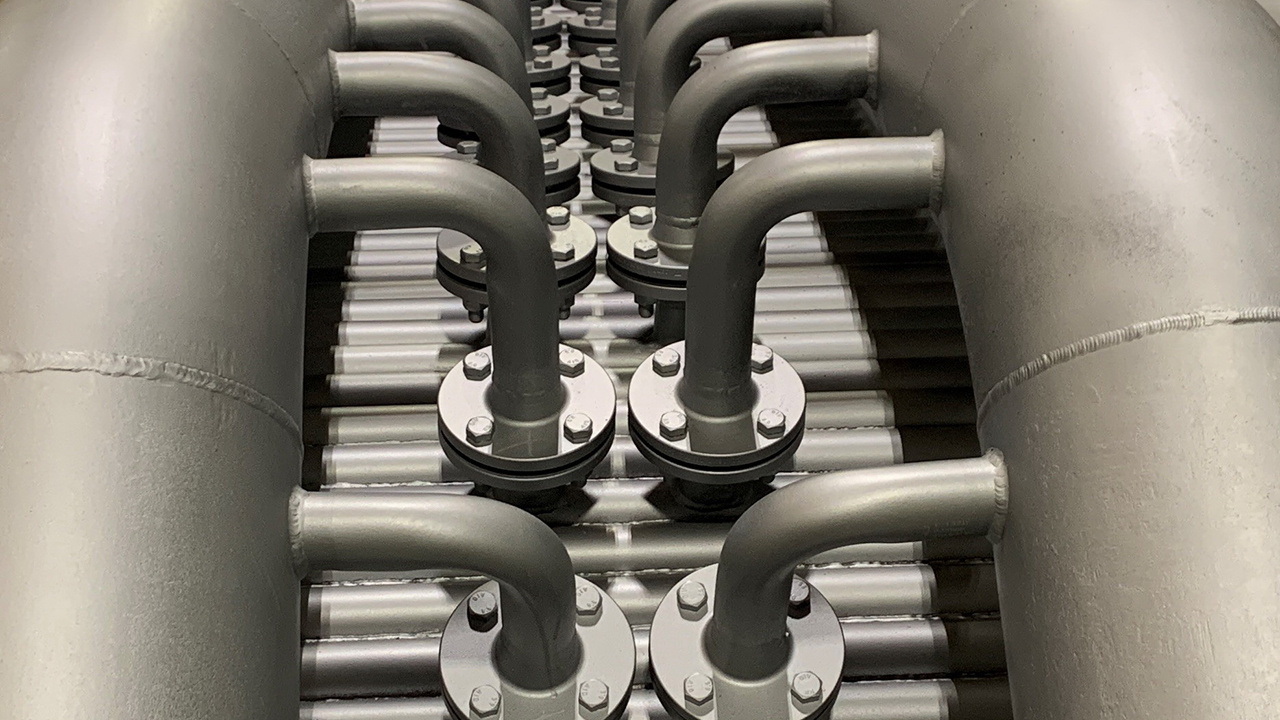
During operation, it’s easy to lose track of where the cooling water is flowing through the hot gas line. Perhaps that is the reason for the rapid wear and tear on your flue gas cooling system? These and similar questions come up frequently. That is why we always design our hot gas lines, converter hoods, and other water-cooled exhaust gas cleaning systems so that the water flow is as simple and clear as possible. See for yourself and visit a wide variety of reference plants with us.
Functional
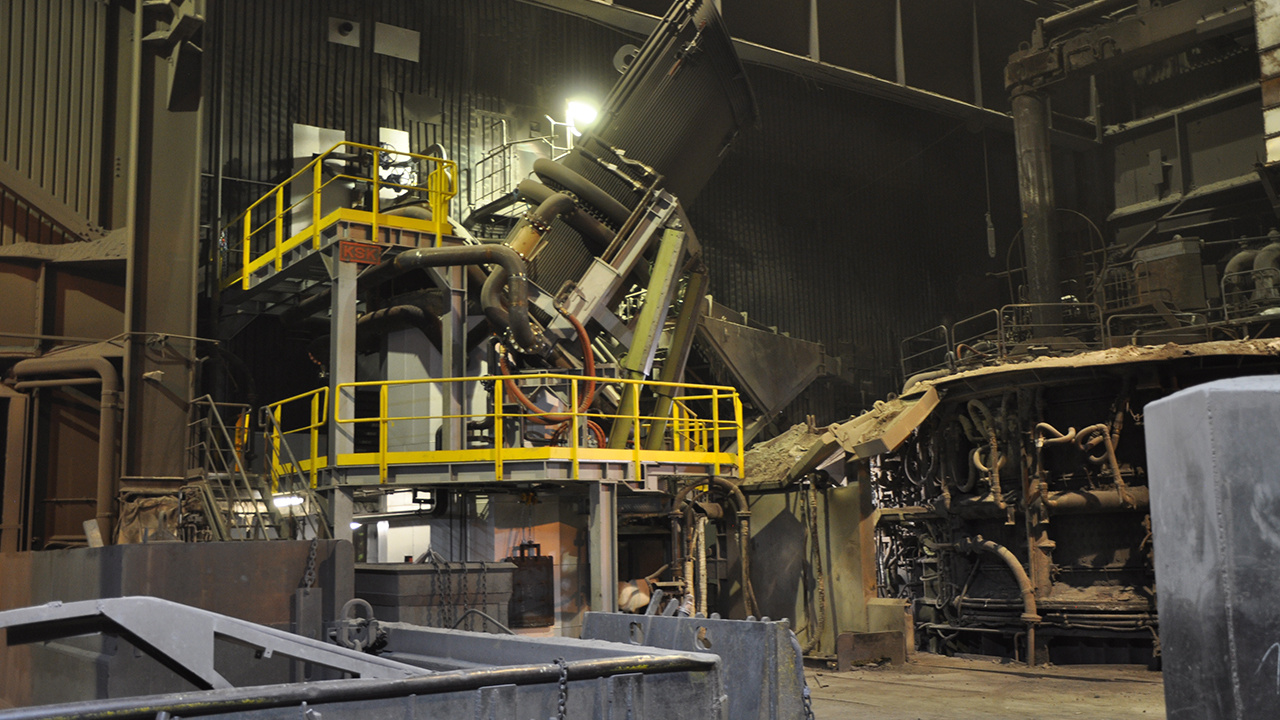
Are you looking for a solution to adjust the amount of false air at the inlet to the hot gas duct behind your electric arc furnace so that you can completely burn off excess CO gas? Or does the entire flap have to be swung open to make room for the scrap basket? We’d be happy to work with you to develop functional solutions that enhance workplace safety and simplify the day-to-day operation of your flue gas cooling system.
Innovative
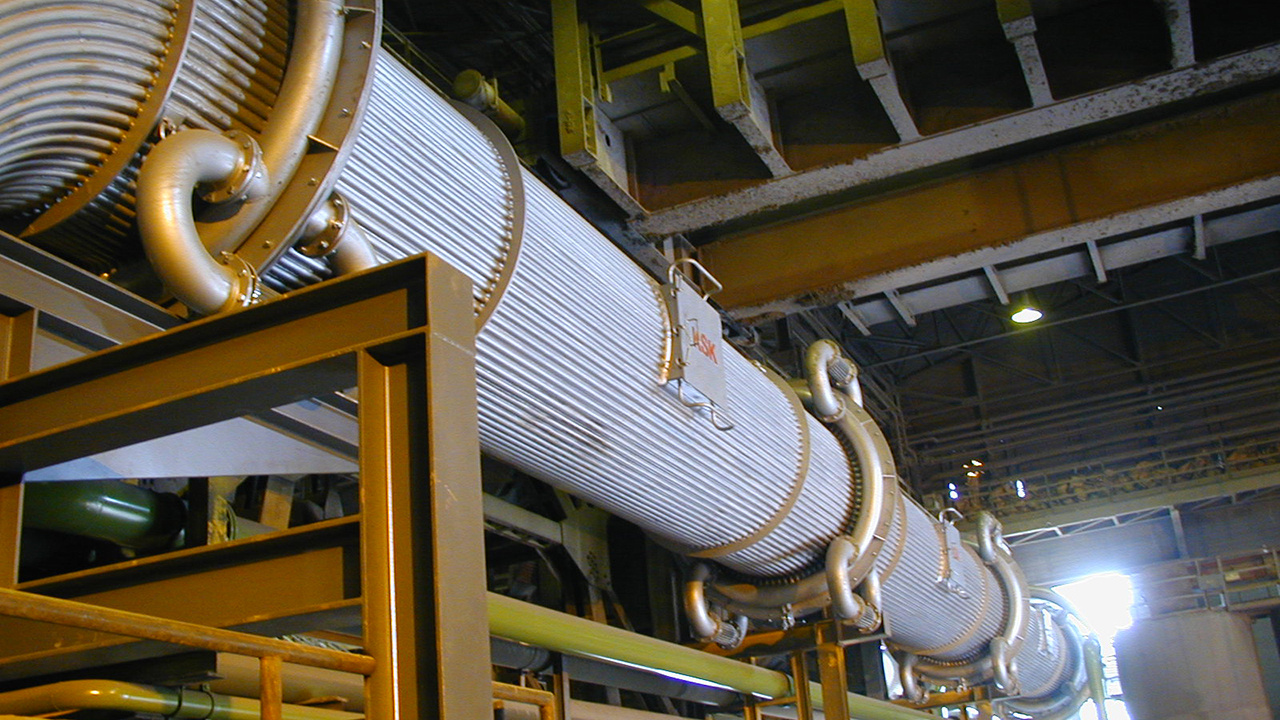
Special challenges call for special solutions! Is hot-water cooling not enough for your hot gas duct? Do you want to utilize waste heat on a large scale and operate your hot gas duct like a converter chimney under high pressure and hot water? Or are you more concerned with the details of your converter hood? Our engineers are happy to work with you to address your questions regarding flue gas cooling and support you with new ideas and technical innovations.
Custom-fit
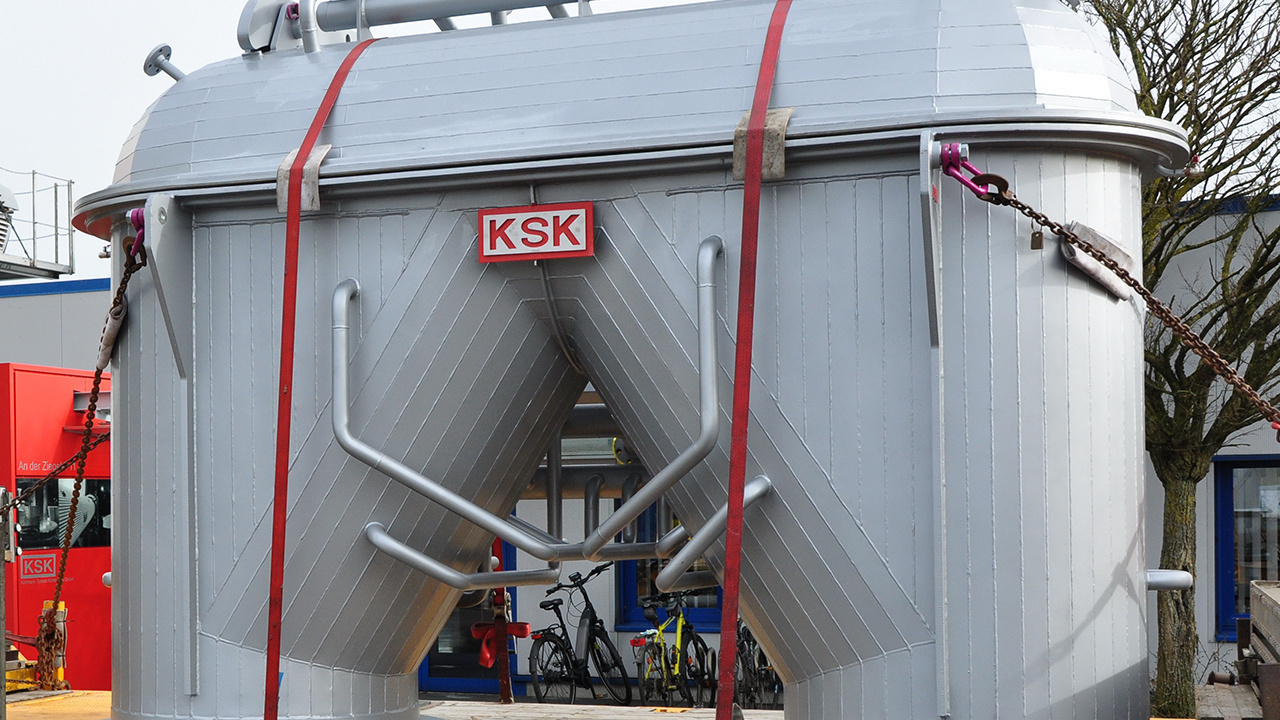
Is a classic hot gas duct with a pipe construction not an option for the exhaust gas section of your melting furnace? No problem. We always develop our concepts and designs for acceleration sections, exhaust gas dampers, or hoses (and hose sections), and other exhaust gas cleaning systems to be custom-made, ensuring they integrate seamlessly into an (existing) flue gas cooling system.
Maintenance-friendly
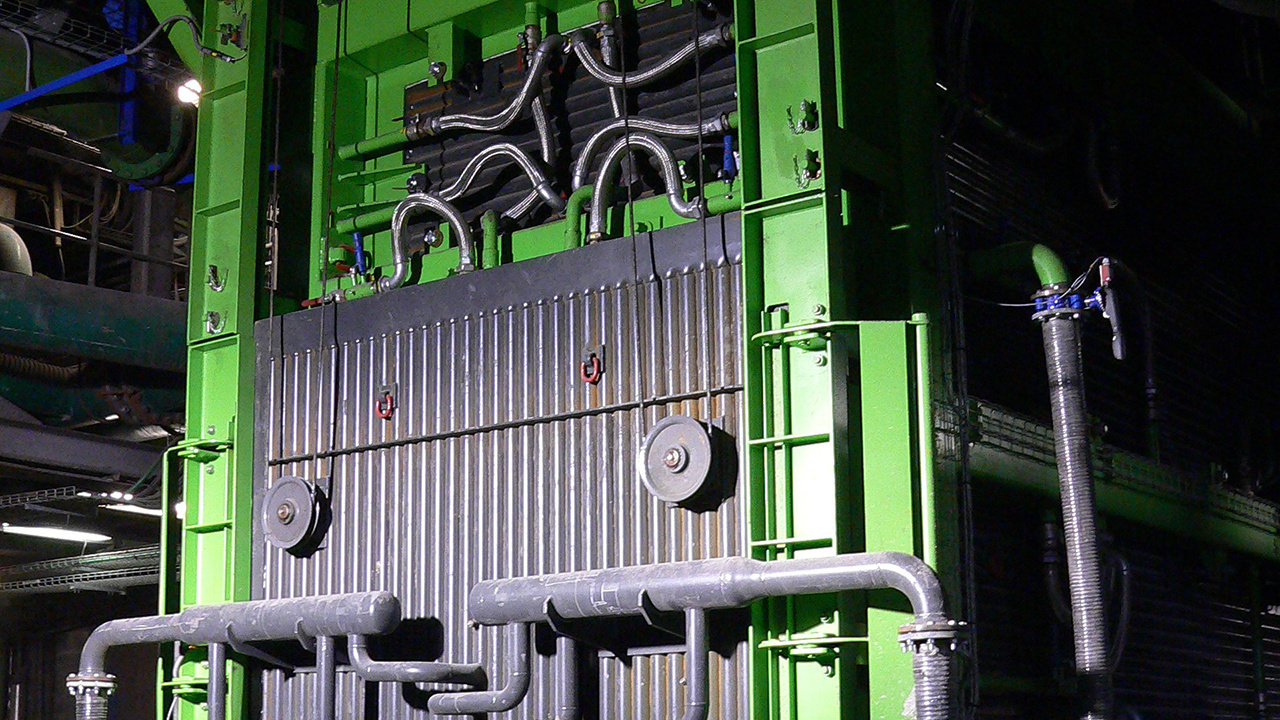
We know what matters in day-to-day operations. Maintaining hot gas ducts, exhaust stacks, and afterburners is labor- and time-intensive. The wrong temperature level in your water-cooled flue gas cooling system or an unsuitable material choice for the exhaust stack of your recycling melting furnace means your colleagues’ welding rods are glowing more often than you’d like. And eventually, the only solution is to completely replace the flue gas cooling system. We’re happy to help you work with greater peace of mind and less stress. And if things really do go up in smoke, you can be sure that we’ll always send a technician to solve the problem—not a lawyer.
Cost-effective
We design our flue gas cooling systems to be as cost-effective as technically feasible. We rely on our engineering expertise during the design phase and do not arbitrarily apply inappropriate safety factors or buffers. This saves on investment and operating costs and makes the new flue gas cooling system a complete success for maintenance, operation, and procurement!
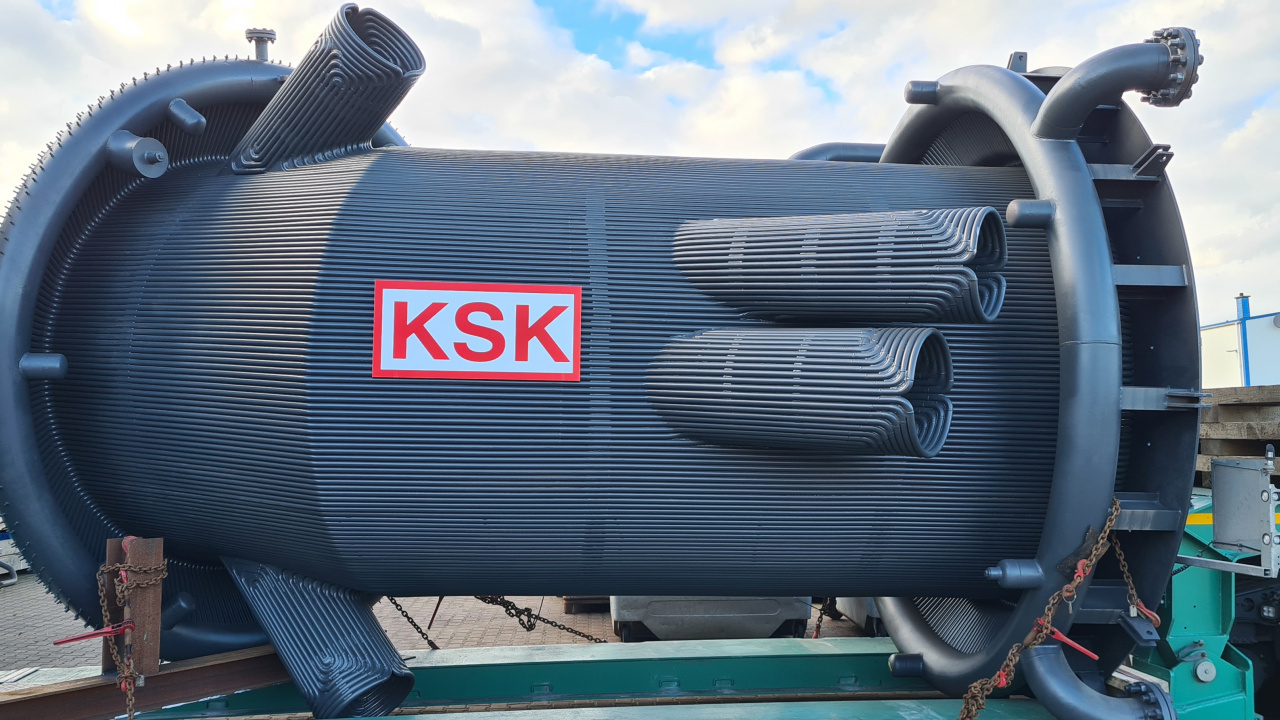
Recommendations from KSK GmbH
KSK GmbH recommends relying on proven technology and high-quality components when implementing flue gas cooling systems. Careful planning and design of the systems are just as important as regular maintenance and monitoring. KSK GmbH offers a wide range of products and services in the field of industrial cooling, including customized flue gas cooling solutions for various applications. With its comprehensive expertise and many years of experience, KSK GmbH supports companies worldwide in optimizing their processes and improving their environmental footprint. Rely on innovation and digitalization to increase the efficiency of your water-cooled plant systems. In the melting process, this helps conserve resources and reduce the environmental impact.
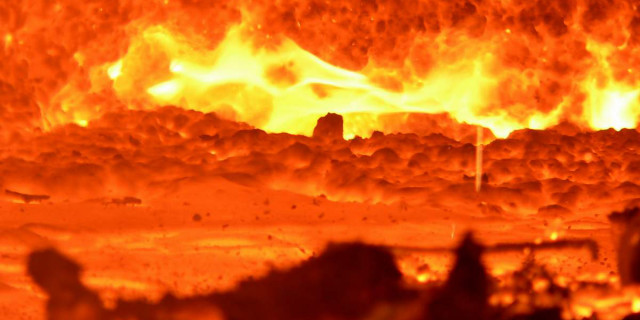
Waste heat recovery
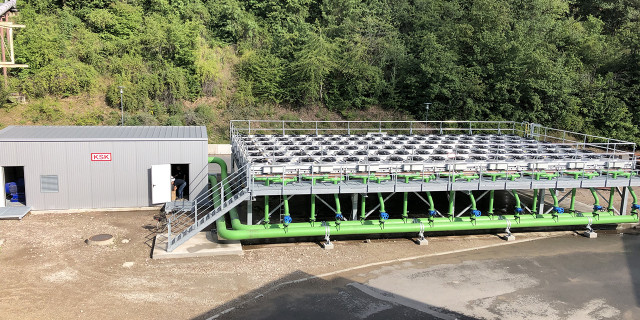
Industrial cooling
Table of contents
- Flue Gas Cooling in Industry: A Comprehensive Guide
-
Introduction to Flue Gas
Cooling
- What Is Flue Gas Cooling?
- Importance in Industry
- Overview of Electric Arc Furnaces (EAF)
Flue Gas Cooling in Industry: A Comprehensive Guide
Welcome to this comprehensive guide to industrial flue gas cooling. In this article, we will examine the fundamentals, significance, and applications of flue gas cooling in detail. Our goal is to provide you with a deep understanding of this important technology and equip you with the necessary expertise to make informed decisions regarding your industrial processes. We will focus specifically on its application in conjunction with electric arc furnaces (EAF).
Introduction to Flue Gas Cooling
What Is Flue Gas Cooling?
Flue gas cooling is a process for reducing the temperature of flue gases generated during industrial processes. These flue gases, often byproducts of combustion or melting processes, can reach high temperatures and contain harmful substances. Flue gas cooling serves to cool these gases before they are released into the atmosphere or further processed. The technology used varies depending on the application but often involves the use of cooling water or air. KSK GmbH offers customized plant systems for this purpose to optimize the efficiency of your processes and increase safety in direct firefighting.
Importance in Industry
Flue gas cooling plays a crucial role in many industries worldwide. It not only helps ensure compliance with environmental regulations by reducing pollutant emissions but also improves the energy efficiency of plants. By recovering heat from the flue gases, this energy can be reused in other processes, leading to a reduction in operating costs. The application of this technology is particularly important in the steel industry, where the melting process generates high temperatures and large volumes of flue gases. With its comprehensive engineering expertise, KSK GmbH is a reliable partner for the implementation of efficient flue gas cooling.
Overview of Electric Arc Furnaces (EAF)
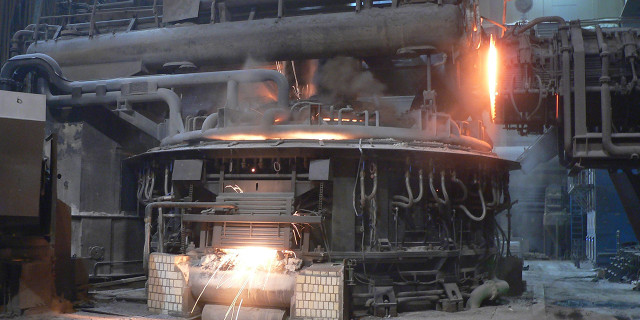
Electric arc furnaces (EAF) are a central component of steel production. They use electrical energy to generate high temperatures through electric arcing, which are required to melt steel scrap or iron ore. However, this process is very energy-intensive and produces large volumes of flue gases. The flue gases from EAF plants are particularly hot and contain not only pollutants but also valuable thermal energy. Flue gas cooling is therefore essential to reduce emissions, increase energy efficiency, and protect plant systems from damage caused by high temperatures. KSK GmbH offers innovative flue gas cooling solutions specifically tailored to the requirements of EAF plants.
Technical Fundamentals of Flue Gas Cooling
How Flue Gas Cooling Works
Flue gas cooling technology is based on the principle of heat transfer. Hot flue gases are passed through a heat exchanger, where they transfer their heat to a cooling medium. This cooling medium can be water or air, with water often being preferred due to its higher heat capacity. The heat exchanger is designed to provide a large surface area for heat transfer to ensure efficient cooling. Various types of heat exchangers are used in industry. The cooled flue gases can then be further processed or safely discharged into the atmosphere. KSK GmbH offers a wide range of state-of-the-art industrial cooling systems.
Important Technical Terms
In the field of flue gas cooling, there are a number of important technical terms that need to be understood. These include the heat transfer coefficient, which describes the efficiency of heat transfer, as well as the flue gas composition, which specifies the quantity and type of pollutants contained. The concept of pressure drop also plays a role, as the flow of flue gases through the heat exchanger causes a certain pressure drop that must be taken into account when designing the systems. Another important term is enthalpy, which describes the total thermal energy of a system. Understanding these terms is crucial for the engineering and optimization of flue gas cooling systems. KSK GmbH supports you with its expertise in selecting and designing the optimal technology for your needs.
Materials and Components
The selection of materials and components for flue gas cooling systems is critical to their performance and service life. Heat exchangers must be designed to withstand high temperatures and pressures. Water-cooled components are particularly important, as they ensure efficient heat dissipation. The pumps and valves that circulate the cooling medium must also be reliable and robust. KSK GmbH relies on high-quality materials and components to ensure the reliability and efficiency of its plant systems. The application of state-of-the-art technology in material selection is a key aspect of engineering at KSK GmbH, enabling the company to offer world-leading solutions for industrial cooling that can also support fire departments.
Applications of flue gas cooling
Flue gas cooling in electric arc furnaces
In electric arc furnaces (EAF), flue gas cooling is an integral part of the plant system. The melting process generates extremely high temperatures, and the resulting flue gases must be cooled to prevent damage to downstream equipment and reduce emissions. Flue gas cooling technology in EAF applications often involves water-cooled systems that ensure efficient heat removal. The heat recovered in this process can be used for steam generation or other industrial processes, thereby increasing the energy efficiency of the entire plant. KSK GmbH offers flue gas cooling solutions specifically tailored to EAF plants, based on years of expertise and continuous innovation, to also meet the requirements of fire departments. Digitalization plays an increasingly important role here in optimizing processes and monitoring plant performance.
Advantages of Flue Gas Cooling for Industrial Processes
The use of flue gas cooling in industrial processes offers a wide range of benefits. In addition to reducing emissions and complying with environmental regulations, it contributes to improved energy efficiency. By recovering heat from the flue gases, this energy can be reused in other processes, leading to a reduction in operating costs. Furthermore, flue gas cooling protects plant systems from damage caused by high temperatures and extends their service life. KSK GmbH offers customized industrial cooling solutions worldwide that are tailored to the specific needs of its customers. With its comprehensive engineering expertise, KSK GmbH supports companies in optimizing their processes and improving their environmental footprint.
Case Studies and Examples
Numerous case studies demonstrate the effectiveness of flue gas cooling across various industries. For example, a steel mill was able to significantly reduce its emissions while simultaneously lowering its energy costs by implementing a modern flue gas cooling system. Another example is a chemical company that uses the recovered heat to preheat raw materials, resulting in a significant increase in energy efficiency. These examples demonstrate that flue gas cooling makes sense not only from an environmental perspective but also from an economic one. KSK GmbH has successfully implemented numerous industrial cooling projects worldwide and boasts a wide range of references. Its technology and plant systems are state-of-the-art and are continuously refined to meet industry requirements. Digitalization plays a key role in optimizing processes and monitoring plant performance.
Practical Tips for Implementation
Steps for installing flue gas cooling systems
The installation of flue gas cooling systems requires careful planning and execution. First, a detailed analysis of the existing systems and processes must be conducted, to determine the specific requirements. This is followed by the selection of suitable technology and components, taking into account aspects such as flue gas composition, temperature, and flow rate. The installation itself should be carried out by experienced professionals to ensure that all components are correctly connected and adjusted. KSK GmbH offers comprehensive consulting and installation services to ensure that your flue gas cooling system operates optimally. The correct application of the technology is crucial for success. Digitalization can help monitor and optimize the process here. Especially with water-cooled components, it is important to pay attention to water quality to prevent corrosion.
Maintenance and Troubleshooting
Regular maintenance is crucial to ensuring the efficiency and service life of flue gas cooling systems. This includes inspecting and cleaning the heat exchangers, checking the pumps and valves, and analyzing the flue gas composition. In the event of issues such as pressure loss, temperature increases, or elevated emissions, troubleshooting measures should be taken immediately. KSK GmbH offers comprehensive maintenance contracts and training to ensure that your staff is capable of resolving minor issues on their own. The application of preventive maintenance strategies, supported by digitalization and sensor technology, helps minimize downtime and make optimal use of the technology. This ensures that industrial cooling is maintained at a high level. Furthermore, technological innovation should not be neglected in order to remain competitive in the long term.
Expert Insights on the Future of Flue Gas Cooling
Current trends and developments
Current trends in flue gas cooling focus on increasing energy efficiency and reducing emissions. New materials and designs make it possible to create more compact and efficient heat exchangers. Digitalization is playing an increasingly important role, as it improves the monitoring and control of systems and offers the opportunity to optimize processes. The integration of heat pumps and other heat recovery technologies is also becoming increasingly important. KSK GmbH is constantly striving to integrate the latest developments into its products and services to offer its customers worldwide the best solutions for industrial cooling. The application of state-of-the-art technology is crucial to remaining competitive.
Technological Innovations
Innovation in flue gas cooling technology is driving the development of new and more efficient systems. These include, for example, new heat exchanger materials with improved thermal conductivity and corrosion resistance. The development of intelligent control systems that optimize cooling performance based on sensor data also plays an important role. KSK GmbH continuously invests in research and development to offer its customers innovative solutions for industrial cooling. The use of water-cooled systems in the steel industry, particularly in the melting process, benefits greatly from these innovations. Digitalization makes it possible to operate plant systems even more efficiently.
Outlook for Sustainable Solutions
The future of flue gas cooling lies in sustainable solutions that not only reduce environmental impact but also increase energy efficiency. This includes the increased use of renewable energy for cooling flue gases as well as the development of closed-loop systems in which waste heat is fully reused. KSK GmbH is committed to the development and implementation of such sustainable solutions and supports its customers in achieving their environmental goals. This technology is becoming increasingly important for making industry more sustainable worldwide. The application of innovations in industrial cooling, supported by digitalization and the comprehensive expertise of companies like KSK GmbH, is the key to a more environmentally friendly future, particularly in industries such as steel production. Flue gas cooling makes the smelting process more sustainable in this context.
FAQs on Flue Gas Cooling
Table of contents
- What is flue gas cooling in electric arc furnaces (EAF)?
- Why is flue gas cooling important in steel production?
- How does flue gas cooling contribute to energy efficiency?
- What are the challenges of flue gas cooling?
- Are there environmentally friendly technologies for flue gas cooling?
- What role does automation play in flue gas cooling?
- How are flue gas cooling costs optimized?
What is flue gas cooling in electric arc furnaces (EAF)?
Flue gas cooling refers to the process of cooling the hot exhaust gases generated during the melting process in an electric arc furnace. This process plays a crucial role in metal processing, as it not only helps increase the plant’s efficiency but also significantly extends the service life of the various components. Cooling the flue gases effectively reduces the excess heat released during the melting process. This has the added benefit that the heat recovered in this way can be utilized for other processes in the plant, leading to a significant improvement in energy efficiency. Well-executed flue gas cooling can thus not only lower operating costs but also reduce environmental impact, as less energy is required from external sources. Furthermore, optimizing the cooling process enhances operational safety by preventing excessive temperatures that could be potentially hazardous. In today’s industry, the implementation of an effective flue gas cooling system is therefore not only a technical necessity but also an important step toward sustainable production.
Why is flue gas cooling important in steel production?
Flue gas cooling is crucial for ensuring the safety and efficiency of the production process. Without effective cooling, the high temperatures of the exhaust gases could cause significant damage to equipment, which not only jeopardizes employee safety but can also lead to costly downtime and repairs. Flue gas cooling plays an essential role, as it not only lowers the temperature of the exhaust gases but also offers the opportunity to recover valuable thermal energy. This recovered heat can then be used to heat other processes or to generate electricity, which significantly reduces the energy consumption of the entire system and sustainably lowers operating costs. Furthermore, proper flue gas cooling helps reduce emissions, which in turn meets environmental protection and sustainability requirements. A well-planned and implemented flue gas cooling system is therefore not just a technical consideration, but also a key factor in a company’s competitiveness in today’s industrial landscape.
How does flue gas cooling contribute to energy efficiency?
Flue gas cooling plays a crucial role in improving energy efficiency in industrial processes by recovering the thermal energy contained in exhaust gases and making it available for various applications. This innovative technology makes it possible to put the waste heat from flue gases—which would normally be released unused into the atmosphere—to good use. By recovering this heat, the energy requirements for additional processes can be significantly reduced. A practical example of the application of recovered heat is the preheating of raw materials, which not only increases the efficiency of production processes but can also significantly reduce operating costs. Furthermore, the recovered thermal energy can also be used for power generation, which is increasingly important in today’s world where sustainable energy is becoming more and more crucial. The implementation of flue gas cooling systems thus leads to a significant reduction in a plant’s total energy consumption and simultaneously has a positive impact on the environment, as CO2 emissions are minimized. This technology helps reduce the ecological footprints of operations and supports the pursuit of a more sustainable industry.
What are the challenges of flue gas cooling?
Challenges in flue gas cooling include managing high temperatures and ensuring the corrosion resistance of the materials used. These aspects are critical, as the temperatures encountered in these systems are often extremely high and require specialized materials capable of withstanding these conditions. Another important consideration is the integration of cooling systems into existing facilities, which can prove to be a complex task. Careful planning and implementation are required to ensure that the new systems integrate seamlessly with existing components. Additionally, the systems must be regularly maintained to ensure optimal performance and minimize wear caused by constant contact with hot, corrosive gases. Maintenance requires specialized knowledge and should be performed by qualified technicians to identify and resolve potential issues early on, which is also important for the fire department. Inadequate maintenance can lead to reduced efficiency and potentially result in costly breakdowns. Therefore, it is important to consider both the technical and economic aspects of flue gas cooling and to take proactive measures to ensure the longevity and efficiency of the systems.
Are there environmentally friendly technologies for flue gas cooling?
Yes, there are environmentally friendly technologies for flue gas cooling that aim to improve energy efficiency and reduce emissions. These technologies are of great importance, as they not only help reduce air pollutants but can also increase the cost-effectiveness of industrial processes. Innovative systems include, for example, those that use recovered heat to generate electricity or heat water, which is a major advantage in many applications. Furthermore, by integrating modern heat exchangers and specialized cooling techniques, exhaust gas temperatures can be significantly reduced, which has a positive impact on overall energy efficiency. The use of advanced materials and technologies for pollutant reduction can further minimize the environmental impact of flue gas cooling. These materials are often designed to be durable and resilient, reducing the need for frequent maintenance and replacement. Thus, these environmentally friendly technologies contribute to a more sustainable and responsible use of energy, which not only benefits the environment but also helps companies reduce their operating costs and achieve their sustainability goals.
What role does automation play in flue gas cooling?
Automation plays a crucial role in flue gas cooling by enabling precise control of the cooling processes. The use of automated systems makes it possible to monitor and adjust not only the temperature but also the flow of coolants in real time. This technology helps maintain cooling performance at an optimal level, which is of great importance for the efficiency of the entire plant. A well-functioning automation system ensures that all parameters are continuously monitored, ultimately leading to improved plant efficiency and safety. Furthermore, the risk of human error is significantly reduced, as the systems operate autonomously and can make decisions based on precise data. This not only minimizes potential hazards but also enhances the overall performance of flue gas cooling by enabling a faster response time to changes in operating conditions. Ultimately, the implementation of such automated solutions leads to a more sustainable and cost-effective mode of operation, which is of critical importance for modern industrial applications.
How are flue gas cooling costs optimized?
The costs of flue gas cooling are a central issue in the planning and operation of industrial plants, as they can have a significant impact on the economic viability and efficiency of the entire facility. These costs can be significantly optimized through the targeted use of efficient technologies and regular maintenance of the systems. Such maintenance ensures that all components of the flue gas cooling system function properly, thereby preventing operating costs from rising unnecessarily—a factor that is also relevant to fire safety. Another crucial aspect is the recovery of thermal energy from the exhaust gases, which can be of immense benefit in many processes. Through the intelligent use of this thermal energy, the energy requirements of the entire plant can be significantly reduced, which not only leads to cost savings but also reduces the environmental impact. Furthermore, it is important to invest in durable and corrosion-resistant materials to extend the service life of the cooling systems. Such investments pay off in the long run, as they minimize the need for frequent repairs and component replacements, which in turn further reduces the overall cost of flue gas cooling. Ultimately, a comprehensive consideration of all these factors is crucial to ensuring an optimal and cost-effective flue gas cooling system.
Melting and recycling processes
Waste heat recovery
