
Table of contents
KSK Recooling Systems
KSK System Kühl Technik – the name says it all. For over 40 years, we have been developing, manufacturing, and supplying recooling systems for the energy-intensive melting and recycling industries. Our systems are robust and fail-safe in design and can be adapted to both continuous and intermittent applications. We provide you with a recooling system—including a pump station, recooling unit, and piping—all from a single source.
Your Contacts
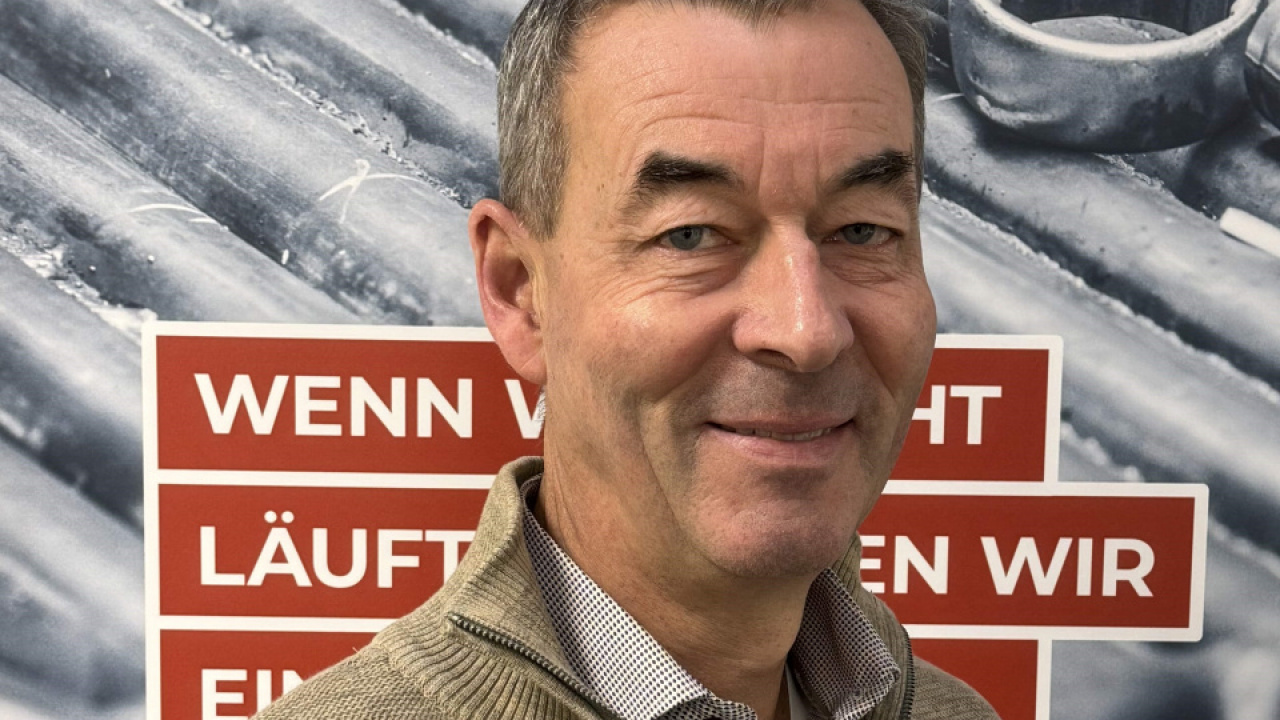
Olaf Huscher, B.S.
Partner and Managing Director
+49 (0) 2364 10539-0
huscher@kskgruppe.de
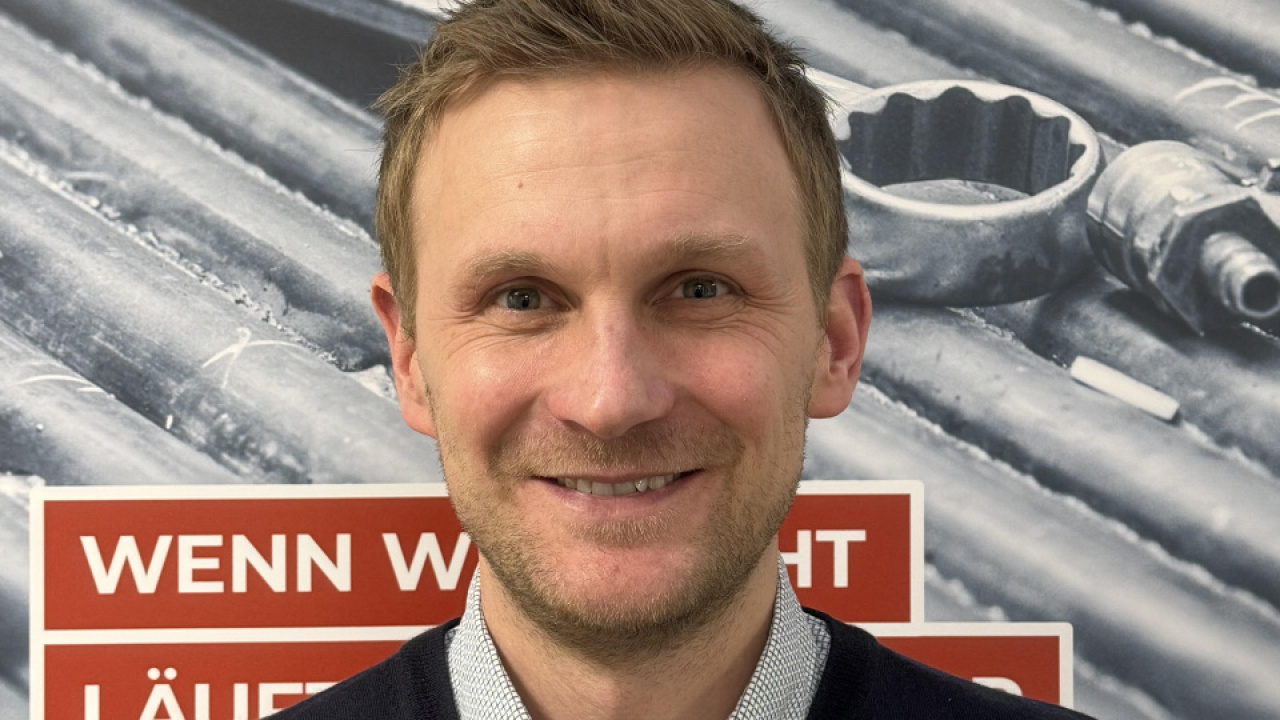
Andreas Höwedes, B.S. in Business Administration and Engineering
Partner and Managing Director
+49 (0) 2364 10539-0
hoewedes@kskgruppe.de
Table of contents
- Efficient Recooling Systems in Industrial Cooling
-
Introduction to Recooling
Systems
- What Are Recooling Systems?
- Importance of Industrial Cooling
- Key Benefits of Efficient Cooling Systems
Efficient Recooling Systems in Industrial Cooling
Welcome to our comprehensive guide on recooling systems in industrial cooling. Here you’ll learn everything you need to know to operate your systems economically and efficiently. From the basics to advanced applications—we cover all aspects to help you optimize your cooling system and achieve water savings.
Introduction to Recooling Systems
What Are Recooling Systems?
Recooling systems are an integral part of many industrial processes, particularly where water-cooled plant systems are used. At their core, recooling systems serve to dissipate the heat absorbed by industrial plants and reuse the cooling water in a closed loop. There are various types of recooling systems, including cooling towers (open or closed), chillers, and dry coolers. A cooling tower uses the evaporation of water to lower the water’s temperature, while a chiller uses a refrigerant to remove heat. Dry coolers use an air stream to dissipate heat without evaporation. KSK GmbH offers customized cooling solutions tailored to your specific needs.
Importance of Industrial Cooling
Industrial cooling is crucial for the smooth and reliable operation of many industrial processes. In industries such as steel production—for example, in electric arc furnaces (EAF) used for the melting process—effective cooling is essential to extend the service life of equipment and minimize downtime. Without adequate cooling, machines could overheat, leading to damage, production losses, and increased operating costs. Therefore, choosing the right cooling system and maintaining it properly is of great importance. A well-maintained recooling system helps increase energy efficiency and reduce energy costs. It is recommended to leverage the expertise of KSK GmbH to optimally configure and operate the cooling system.
Key Benefits of Efficient Cooling Systems
Efficient cooling systems offer a wide range of benefits for industrial facilities. A key advantage is the reduction in energy consumption, which directly translates to lower energy costs. Furthermore, they help extend the service life of the equipment, as it is subjected to less stress from overheating. Improved reliability of the cooling systems minimizes downtime and ensures a continuous production process. Not to be overlooked is the aspect of sustainability: By reducing water consumption (especially in closed recooling systems or dry coolers) and increasing energy efficiency, companies make an important contribution to environmental protection. KSK GmbH can help you design your recooling systems to be both economical and sustainable. Efficiency can be further optimized through , which enables precise control and monitoring of the cooling tower’s parameters.
Applications of recooling systems
Recooling systems in the steel industry
Recooling systems play a central role in the steel industry. The intensive melting process, for example in electric arc furnaces (EAF), generates enormous amounts of heat that must be effectively dissipated to protect the equipment from overheating. Specifically, water-cooled plant systems are used to absorb the heat and transfer it to a recooling system to increase the efficiency of the air conditioning. This system, often consisting of cooling towers or chillers, ensures that the cooling water is cooled down and reused in the cycle. Optimal cooling is crucial for the reliability and service life of the equipment, as it reduces thermal stress and can thus lower maintenance costs. KSK GmbH offers customized cooling solutions for the steel industry that are tailored to the specific requirements of this sector, with a focus on efficiency and sustainability.
Application in Electric Arc Furnaces (EAF)
The use of recooling systems in electric arc furnaces (EAF) is essential. EAFs are extremely energy-intensive industrial plants that generate immense heat. To ensure safe and reliable operation, water-cooled components, such as the furnace walls and electrodes, must be continuously cooled. This is where recooling systems come into play, as they are crucial for heat dissipation. These systems extract heat from the cooling water and dissipate it, often through evaporation in cooling towers or via chillers. Choosing the right cooling system is crucial, as operating costs and energy efficiency depend heavily on the type of system selected. Regular maintenance, along with control and monitoring of the cooling tower’s parameters, is essential to ensure optimal cooling and a long service life for the equipment. KSK GmbH offers comprehensive cooling solutions for this purpose, including control panels for precise regulation.
Examples of Industrial Cooling Systems
There are various examples of industrial cooling systems that are used depending on the application and the specific requirements of the industrial facility. Cooling towers, both open and closed, are widely used, especially in large industrial facilities where evaporative coolers can help increase efficiency. Open cooling towers use the evaporation of water to dissipate heat, while closed cooling towers use a recirculating system to protect the cooling water from contamination. Chillers are another option, particularly when a constant and low cooling water temperature is required to optimize heat dissipation. Dry coolers, also known as adiabatic coolers, use airflow for heat transfer and are particularly suitable when water consumption needs to be minimized. The choice of the optimal cooling system depends on factors such as the required cooling capacity, operating costs, energy efficiency, and environmental regulations. KSK GmbH offers a wide range of customized cooling solutions tailored to the individual needs of each customer. These cooling solutions include both cooling towers as well as chillers and dry coolers, along with water treatment systems to optimize the efficiency of recooling systems and extend the service life of the equipment. By integrating control and monitoring systems, the efficiency of recooling systems can be further enhanced, significantly reducing energy consumption and operating costs.
Optimizing operating costs with recooling systems
Increased efficiency through modern cooling towers
Modern cooling towers are a key element in increasing the efficiency of recooling systems and reducing emissions. The use of advanced materials and designs improves heat transfer and lowers energy consumption. Intelligent control and monitoring of cooling tower parameters, such as water temperature, flow rate, and humidity, enable optimal adaptation to current operating conditions. This not only leads to higher cooling efficiency but also to a longer service life for the systems. KSK GmbH offers innovative cooling solutions tailored to the specific requirements of your industrial facility. By integrating variable frequency drives, for example, the cooling tower fans can be controlled on demand, further reducing energy consumption. The result is lower operating costs and greater sustainability.
Cost-Benefit Analysis of Cooling Systems
A detailed cost-benefit analysis is crucial for selecting the most economical cooling system for a specific application. This analysis must take into account not only the initial purchase costs but also the ongoing operating costs. Key factors include energy consumption, maintenance costs, water consumption, and water treatment costs. The service life of the systems and potential downtime also play an important role. For example, a closed recooling system may incur higher initial costs but can be more economical in the long term due to lower water consumption and reduced maintenance costs. KSK GmbH supports you in conducting a comprehensive cost-benefit analysis to find the optimal cooling solution for your industrial application, whether it be a cooling tower, a chiller, or a dry cooler. Such an analysis also helps evaluate the efficiency of existing recooling systems and identify opportunities for improvement, thereby reducing operating costs and increasing sustainability.
Practical Tips for Reducing Operating Costs
There are a number of practical measures that can be taken to reduce the operating costs of recooling systems. Regular maintenance is essential to ensure high efficiency and reliability. This includes cleaning the cooling towers, inspecting the fans and pumps, and monitoring water quality. Optimal water treatment can prevent the formation of scale and corrosion, which extends the service life of the systems and reduces energy consumption. Adapting the control and monitoring systems to actual load conditions can also yield significant savings. KSK GmbH offers comprehensive services for recooling systems, ranging from regular maintenance to control optimization. The use of modern technologies such as adiabatic evaporative cooling or dry coolers can further reduce water consumption, which not only lowers operating costs but also protects the environment. A detailed analysis of energy consumption and heat transfer can also help identify inefficient areas and implement targeted measures to improve efficiency. By selecting the right recooling systems and operating them efficiently, companies can significantly reduce their operating costs while contributing to environmental protection. KSK GmbH also offers control panels for the precise control and monitoring of cooling tower parameters to ensure optimal performance. Proper cooling of water-cooled plant systems is essential for the smooth operation of many industrial processes. Recooling systems play a crucial role in maintaining the reliability and efficiency of industrial plants, particularly in industries such as steel production, where high temperatures and intensive melting processes make effective cooling indispensable. KSK GmbH is your expert partner for customized cooling solutions tailored to your specific requirements, helping you reduce operating costs and improve sustainability. The range of recooling systems extends from open and closed cooling towers to chillers and dry coolers, with the selection of the optimal system depending on various factors such as the required cooling capacity, energy costs, and environmental regulations. Regular maintenance, control, and monitoring are crucial to ensuring the efficiency of recooling systems and extending the service life of the equipment. Modern recooling systems help reduce energy consumption, improve system reliability, and minimize environmental impact. KSK GmbH offers you the expertise and technology to optimally configure and operate your recooling systems, enabling you to benefit from maximum efficiency and sustainability.
Technical Aspects of Recooling Systems
Important technical terms and their meanings
To fully understand how recooling systems work, it is important to be familiar with the relevant technical terms. The term "refrigerant" refers to the liquid used in refrigeration machines to absorb and release heat. "Heat transfer" describes the process by which heat is transferred from one medium to another, for example, from a water-cooled system to the cooling water. The "efficiency" of a cooling system indicates how well it can remove heat and lower the temperature, while "energy consumption" measures the amount of energy the system requires to perform this task. "Cooling towers" are systems that cool water through evaporation, while "chillers" use a refrigerant to dissipate heat. Controlling and monitoring parameters such as temperature and flow rate is crucial for the optimal operation of the cooling tower. KSK GmbH can help you expand your expertise and operate recooling systems efficiently. The correct use of cooling-related terminology is essential for a good understanding of industrial plant operations.
Design and Installation of Cooling Systems
The planning and installation of cooling systems require a careful analysis of the specific requirements of the respective industrial plant. First, the required cooling capacity must be determined to select the correct size of the cooling system. Factors such as the heat load of the equipment, the ambient temperature, and the desired cooling water temperature must be taken into account. The selection of the appropriate cooling system—whether cooling towers, chillers, or dry coolers—depends on economic considerations, technical requirements, and total costs. Installation must be performed professionally to ensure high reliability and efficiency. KSK GmbH supports you in the planning and installation of your recooling systems and offers customized cooling solutions for your industrial plant to optimize total costs. Selecting the right location for the cooling tower and taking local conditions into account are also essential. Only through careful planning and professional installation can you ensure that your recooling system functions optimally and reduces your operating costs.
Maintenance and Servicing of Recooling Systems
Regular maintenance and servicing of recooling systems are crucial for their reliability and service life. Neglected cooling systems can lead to efficiency losses, breakdowns, and increased operating costs. Maintenance includes regular cleaning of the cooling towers, inspection of the fans and pumps, monitoring of water quality, and, if necessary, water treatment. Controls and monitoring of parameters such as temperature and pressure should also be checked regularly to ensure the efficiency of the air conditioning system. KSK GmbH offers comprehensive services for recooling systems, ranging from regular maintenance to control optimization. Early detection of problems can prevent major damage and extend the service life of the systems. Investing in professional maintenance pays off in the long term, as it reduces operating costs and ensures the reliability of your industrial cooling systems. To prevent the formation of deposits and corrosion, regular inspection of water-cooled components is also important. Precise cooling of water-cooled systems protects your industrial facilities.
Conclusion and Outlook
The Future of Recooling Systems in Industry
The future of recooling systems in industry will be shaped by the growing demand for energy efficiency and sustainability. New technologies and materials will help further increase the efficiency of cooling towers and chillers and reduce energy consumption. Digitalization also plays an important role, as intelligent control and monitoring enable the optimal adaptation of recooling systems to the respective operating conditions. The development of environmentally friendly refrigerants will also help reduce environmental impact. KSK GmbH will continue to offer innovative cooling solutions tailored to the needs of industrial customers and making a significant contribution to sustainability. The focus will be on developing recooling systems that are optimal from both an economic and ecological perspective. By combining state-of-the-art technology with decades of expertise, KSK GmbH will continue to play a leading role in the development and operation of recooling systems.
KSK GmbH’s Recommendation for Industrial Solutions
KSK GmbH recommends a customized analysis of specific requirements for industrial cooling systems to identify the optimal cooling solution. Both economic considerations and environmental regulations should be taken into account. KSK GmbH offers a wide range of customized cooling solutions, from cooling towers and chillers to dry coolers. Water treatment also plays a key role in ensuring the efficiency of recooling systems and extending the service life of the equipment. KSK GmbH supports you in the planning, installation, and maintenance of your recooling systems and offers comprehensive services to ensure reliable and efficient operation. KSK GmbH relies on innovative technologies and sustainable cooling solutions to reduce your energy consumption and optimize your operating costs. Trust in KSK GmbH’s expertise to make your industrial cooling future-proof. Through precise control and monitoring of parameters, the efficiency of recooling systems can be improved while simultaneously achieving water savings.
Final Thoughts on the Efficiency of Cooling Systems
In summary, the efficiency of cooling systems is a decisive factor for the economical and sustainable operation of industrial facilities. By choosing the right cooling system, performing regular maintenance, and implementing optimal control, companies can significantly reduce their operating costs while contributing to environmental protection. KSK GmbH offers comprehensive cooling solutions and services to help you optimally configure and operate your recooling systems. Investing in modern and efficient recooling systems pays off in the long term, as it improves the reliability of your facilities, reduces energy consumption, and extends service life. Leverage KSK GmbH’s expertise to future-proof your industrial cooling and strengthen your competitiveness. The efficiency of recooling systems can also be increased through water-cooled plant systems and the reduction of energy costs. Regular maintenance and the control and monitoring of cooling tower parameters are essential. Trust KSK GmbH as your partner for recooling systems.
FAQs on Recooling Systems
Table of contents
- What are recooling systems and why are they important in the metal industry?
- What types of recooling systems are used in the metal industry?
- How does a wet cooling tower work?
- What advantages do hybrid systems offer over traditional recooling systems?
- What role does water quality play in recooling systems?
- How can the energy efficiency of recooling systems be improved?
- What environmental considerations should be taken into account with recooling systems?
- How often should recooling systems be serviced?
- What challenges can arise when implementing recooling systems?
- How does climate change affect the operation of recooling systems?
What are recooling systems and why are they important in the metal industry?
Recooling systems, also known as cooling tower systems, play a central role in the metal industry, where they are essential for dissipating excess heat generated during the production process. These systems are not only important for temperature regulation but also contribute significantly to increasing the efficiency of production facilities. Implementing recooling systems can significantly extend the service life of machinery, as they ensure that equipment operates under optimal conditions. This not only reduces maintenance costs but also minimizes the likelihood of sudden breakdowns. Furthermore, recooling systems help significantly reduce operating costs by ensuring a stable temperature environment, which is crucial for many industrial processes. This not only improves product quality but also optimizes the entire production flow. At a time when energy efficiency and sustainability are becoming increasingly important, recooling systems represent an investment in the future of the metal industry, as they help reduce energy consumption and, consequently, lessen the environmental impact.
What types of recooling systems are used in the metal industry?
In the metal industry, there are a variety of different types of recooling systems, each offering specific advantages and areas of application. Among the best-known systems are wet cooling towers, dry cooling towers, and hybrid systems, which can provide an optimal solution when used in combination. Wet cooling towers use water to dissipate excess heat, which is highly effective in many applications. These towers are capable of transporting large amounts of heat and are therefore particularly important in metalworking processes where high temperatures are generated. On the other hand, dry cooling towers use air for cooling, making them a more environmentally friendly alternative since they do not consume water and thus do not pose a risk of water pollution. Dry cooling towers are particularly useful in regions where water is scarce or where environmental regulations are stricter. Hybrid systems that combine both methods offer an innovative solution to maximize recooling efficiency while minimizing water consumption. These systems can flexibly switch between water and air cooling depending on current operating conditions, making them highly adaptable and ensuring optimal performance. Thanks to this variety of recooling systems, companies in the metal industry can develop customized solutions that make sense both economically and ecologically.
How does a wet cooling tower work?
A wet cooling tower works by passing water over fill media that have been specifically designed to create maximum surface area for contact between water and air. As the water flows over this fill media, it comes into contact with the air, initiating the evaporation process. This evaporation process is crucial because it extracts heat from the water, thereby effectively cooling it. Cooling occurs through the conversion of part of the water into steam, which in turn causes the temperature of the remaining water to drop. The cooled water, now at a lower temperature, is then returned to the production process. There, it plays a vital role in regulating the temperature of machinery and equipment, ensuring they can operate efficiently without overheating. A well-functioning recooling system is therefore essential for optimizing operational processes in many industrial applications and contributes significantly to the energy efficiency and longevity of the equipment used.
What advantages do hybrid systems offer over traditional recooling systems?
Hybrid systems represent an innovative solution in the field of recooling systems, as they intelligently combine the advantages of wet and dry cooling towers. These systems are particularly effective in environments where water resources are limited, as they can significantly reduce water consumption. The use of hybrid systems not only minimizes water demand but also reduces operating costs, making them an economically attractive option. Furthermore, they offer a flexible solution for optimizing energy consumption and minimizing environmental impact. The combination of different cooling technologies makes it possible to adapt the operating mode to the specific requirements and conditions of the application site. This leads to increased efficiency and sustainability in cooling, which is of great importance in today’s world, where environmental awareness and resource conservation are becoming increasingly important. Thus, hybrid systems represent a forward-looking technology in the field of recooling that offers both economic and ecological advantages.
What role does water quality play in recooling systems?
Water quality plays a crucial role in the efficient and smooth operation of recooling systems, which are indispensable in many industrial applications. If the water used in these systems is contaminated, this can have serious consequences. Contaminants can lead to deposits that accumulate on the inner walls of pipes and cooling towers, significantly impairing heat transfer. Furthermore, corrosion can result from chemical reactions with harmful substances in the water, shortening the service life of recooling system components and thereby increasing the need for expensive repairs and replacement parts. Another problem that can arise from using poor-quality water is biological growth, such as algae or bacteria, which thrive in humid environments. Such organisms can not only reduce the system’s efficiency but also endanger the health of employees if not addressed in a timely manner. To ensure system efficiency and prevent potential damage, regular water analyses are essential. These analyses help monitor the chemical composition of the water and ensure it meets the required standards. Furthermore, careful water treatment is necessary to remove harmful substances and ensure optimal quality. All these measures help maximize the overall performance of the recooling systems and minimize operating costs by reducing maintenance intervals.
How can the energy efficiency of recooling systems be improved?
The energy efficiency of recooling systems plays a crucial role in modern industry and building management. By utilizing innovative technologies such as variable frequency drives, which enable precise control of fan speed, significant savings in energy consumption can be achieved. Optimized fans, specifically designed for improved air circulation and lower noise levels, also contribute to increased efficiency. Furthermore, improved heat exchanger designs are of great importance, as they maximize heat transfer and thus increase the performance of the entire system. To ensure long-term efficiency, regular maintenance is essential. This maintenance not only helps identify potential problems early on but also extends the service life of the systems. Furthermore, implementing an effective monitoring system that provides real-time data on the operation of the recooling systems can help further minimize energy consumption and significantly reduce operating costs. Such systems enable proactive analysis and adjustment of operating parameters, leading to optimal performance and more environmentally friendly operation.
What environmental considerations should be taken into account with recooling systems?
Recooling systems are essential in industrial applications as they help regulate temperatures in production processes. However, these systems can have significant environmental impacts, particularly regarding water consumption and chemical water treatment. Water consumption is a critical factor, as many recooling systems require large amounts of water to operate efficiently. This can be problematic in regions with water scarcity. Therefore, it is important to implement environmentally friendly practices to minimize negative impacts. This includes the use of rainwater, which can serve as a sustainable water source to reduce the need for fresh water. Furthermore, minimizing the use of chemicals in water treatment should be a key objective. This can be achieved through the use of biological treatment methods or by implementing innovative technologies that reduce the need for chemicals. Another important aspect is improving the energy efficiency of recooling systems, as more efficient energy use not only lowers operating costs but also reduces the systems’ environmental footprint. In summary, combining these strategies can significantly reduce the environmental impact of recooling systems, benefiting both nature and the economy.
How often should recooling systems be serviced?
Recooling systems should be serviced regularly to ensure efficient operation. These systems play a crucial role in many industrial applications, as they are responsible for regulating the temperature of machinery and processes. A comprehensive inspection should be performed at least once a year, during which all components are checked for wear and proper functioning. During this inspection, it is important to check not only the mechanical parts but also the electronic controls and sensors to ensure that the entire system is operating smoothly. Regular maintenance can help minimize downtime and extend the service life of the systems. Furthermore, preventive maintenance measures allow potential problems to be identified and resolved early on, before they lead to costly repairs or outages. A well-maintained recooling system thus not only contributes to operational efficiency but also helps reduce energy costs and improve the company’s environmental footprint.
What challenges can arise when implementing recooling systems?
Various challenges can arise during the implementation of recooling systems that must be taken into account. One of the biggest challenges is selecting the right type of system, as there are different technologies and approaches that can vary depending on the application and specific requirements. In addition, integration into existing production processes plays a crucial role, as the systems must work seamlessly with other equipment and machinery to ensure smooth operation. Here, it is important to minimize potential disruptions and delays so as not to compromise the efficiency of the entire production process. Another important aspect is ensuring compliance with environmental regulations, which are of great importance to many companies. These regulations can vary by region and industry and often require a detailed analysis of the materials and technologies used, as well as waste disposal. Careful planning and consultation with experts can help overcome these challenges and achieve optimal results. Experts can offer valuable insights and experience that facilitate decision-making and help ensure that the recooling system is designed to be not only efficient but also environmentally friendly. It is advisable to involve them early in the planning process to proactively identify and resolve potential issues before they become major obstacles.
How does climate change affect the operation of recooling systems?
Climate change poses a significant challenge to the operation of recooling systems, as it is particularly influenced by rising temperatures and the increasing scarcity of water resources. These changes in climatic conditions urgently require adjustments in system design as well as in the maintenance of recooling systems to maintain the efficiency and performance of the facilities. To adequately address these challenges, it is necessary to pursue innovative approaches that take into account both technical and environmental requirements. The use of hybrid systems that combine different cooling methods, as well as the implementation of energy-efficient technologies, can offer promising solutions. These systems can not only mitigate the effects of climate change but also help reduce energy consumption and optimize operating costs. In addition, intelligent control systems and modern sensor technologies can help continuously monitor and adjust the performance of recooling systems to ensure optimal efficiency. Overall, it is crucial that companies and operators of recooling systems incorporate these factors into their planning and strategies to operate in a sustainable and future-proof manner.
